
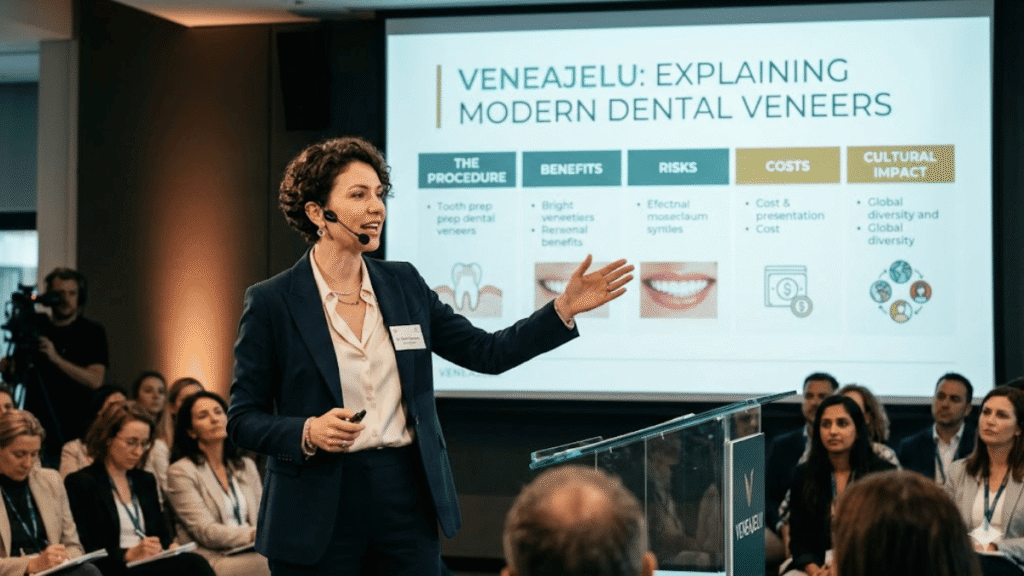
“Veneajelu,” a term increasingly surfacing in online searches and regional discourse, broadly refers to the practice and concept of dental veneers—thin, custom-made shells designed to cover the front surface of teeth to improve appearance. For those seeking immediate clarity, veneajelu is essentially the modern cosmetic dentistry solution for correcting discoloration, chips, misalignment, or gaps, offering a fast-track path to a uniform, bright smile. Within the first moments of inquiry, the appeal becomes obvious: veneers can dramatically transform teeth in a matter of weeks, often with long-lasting results.
Yet veneajelu is more than a procedure; it represents a convergence of medical innovation, aesthetic desire, and social signaling. The rise of image-centric digital culture has intensified the demand for flawless smiles, positioning veneers as both a medical intervention and a lifestyle choice. From celebrities to everyday professionals, the adoption of veneers has expanded globally, including emerging markets where cosmetic dentistry is rapidly growing.
However, beneath the polished exterior lies a nuanced reality. Veneers involve irreversible tooth preparation, financial investment, and ongoing maintenance. Dentists emphasize the importance of clinical assessment, while ethicists question the societal pressures driving elective procedures. As veneajelu gains traction as a concept, it encapsulates a broader shift: the transformation of dentistry from purely functional care to a domain deeply intertwined with identity, confidence, and cultural expectations.
Historical Evolution of Veneers
The origins of dental veneers trace back to the late 1920s, when California dentist Charles Pincus developed temporary tooth facades for Hollywood actors. These early versions were rudimentary, designed to enhance smiles on camera rather than provide lasting solutions. By the 1980s, advancements in bonding techniques and materials allowed veneers to become a permanent fixture in cosmetic dentistry.
The introduction of etched porcelain surfaces and improved adhesive resins revolutionized the field. According to the American Dental Association, these innovations significantly increased the durability and lifespan of veneers, making them viable for long-term use. By the early 2000s, veneers had become a mainstream cosmetic procedure, particularly in North America and Europe.
Today, veneajelu reflects this evolution. It encompasses not just traditional porcelain veneers but also newer options such as composite veneers and ultra-thin “no-prep” variants. The historical trajectory reveals a consistent pattern: technological refinement paired with growing cultural demand.
Types of Veneers: Materials and Applications
Modern veneajelu involves several types of veneers, each with distinct characteristics. The choice depends on patient goals, budget, and clinical considerations.
| Veneer Type | Material | Longevity (Years) | Cost Range (USD) | Key Features |
|---|---|---|---|---|
| Porcelain Veneers | Ceramic | 10–15 | 800–2,500/tooth | Durable, stain-resistant |
| Composite Veneers | Resin | 5–7 | 250–1,500/tooth | Affordable, quicker application |
| No-Prep Veneers | Ultra-thin ceramic | 5–10 | 800–2,000/tooth | Minimal enamel removal |
| Temporary Veneers | Acrylic | Short-term | Low | Used during treatment phases |
Porcelain remains the gold standard due to its strength and natural appearance. Composite veneers, while less durable, offer accessibility and faster results. No-prep veneers appeal to patients seeking less invasive options, though they are not suitable for all cases.
Dr. Sarah Khan, a cosmetic dentist, explained: “Material selection is not just about aesthetics—it’s about biomechanics, occlusion, and long-term oral health.”
The Veneajelu Procedure: Step-by-Step
The veneajelu process typically unfolds over multiple stages. It begins with consultation, where dentists assess oral health, discuss expectations, and create a treatment plan. Diagnostic imaging and impressions are often taken to design the veneers.
Preparation involves removing a thin layer of enamel—usually less than a millimeter—to ensure proper fit. Temporary veneers may be placed while the final ones are fabricated in a dental laboratory. Once ready, the permanent veneers are bonded using specialized adhesives and cured with light.
The following table outlines the procedural timeline:
| Stage | Duration | Key Activities |
|---|---|---|
| Consultation | 1–2 visits | Assessment, imaging, planning |
| Preparation | 1 visit | Enamel removal, impressions |
| Fabrication | 1–2 weeks | Lab creation of custom veneers |
| Placement | 1 visit | Bonding and final adjustments |
| Follow-up | Ongoing | Monitoring and maintenance |
The procedure is generally well-tolerated, though some patients experience temporary sensitivity. Local anesthesia may be used during preparation.
Cultural Drivers: The Psychology of the Perfect Smile
The rise of veneajelu cannot be separated from cultural forces. In many societies, a bright, symmetrical smile is associated with success, attractiveness, and trustworthiness. Research published in the Journal of Dentistry has shown that individuals with aligned, white teeth are often perceived more positively in professional and social contexts.
Social media has intensified these perceptions. High-definition photography and video expose even minor imperfections, prompting individuals to seek corrective solutions. The “Zoom effect,” widely discussed during the COVID-19 pandemic, led to increased demand for cosmetic dental procedures as people became more aware of their appearance on screen.
Sociologist Dr. Emily Rhodes noted, “Veneers are not just about teeth—they’re about visibility and self-presentation in a mediated world.”
This cultural shift has transformed veneajelu into a symbol of self-investment, particularly among younger demographics.
Risks, Limitations, and Ethical Considerations
Despite its benefits, veneajelu carries risks. Enamel removal is irreversible, meaning patients commit to maintaining veneers for life. Potential complications include sensitivity, bonding failure, and gum irritation.
The American Academy of Cosmetic Dentistry emphasizes that veneers are not suitable for individuals with untreated dental issues such as decay or gum disease. Proper case selection is critical.
Ethically, the growing normalization of cosmetic procedures raises questions. Are patients making informed decisions, or are they responding to societal pressure? Dr. Michael Levin, a dental ethicist, argued, “We must ensure that patients understand both the benefits and the permanence of veneers.”
Financial accessibility also plays a role. Veneers remain expensive, creating disparities in who can achieve the “ideal” smile.
Technological Advances and the Future of Veneajelu
Recent innovations are reshaping veneajelu. Digital smile design software allows dentists to simulate outcomes before treatment, improving patient satisfaction. CAD/CAM technology enables same-day veneers in some cases, reducing treatment time.
Materials science continues to evolve. Lithium disilicate ceramics offer enhanced strength and translucency, while research into bioactive materials aims to improve integration with natural teeth.
Artificial intelligence is also entering the field, assisting in diagnostics and treatment planning. These advancements suggest that veneajelu will become more precise, accessible, and customizable in the coming years.
Dr. Ahmed Raza, a dental technologist, observed: “We’re moving toward a future where veneers are not just cosmetic—they’re personalized medical devices.”
Economic Impact: A Global Industry
The global cosmetic dentistry market has grown significantly over the past decade. According to market research, the sector was valued at over $30 billion in 2023, with veneers representing a substantial share.
Growth is particularly strong in regions such as South Asia and the Middle East, where rising incomes and increased awareness are driving demand. Dental tourism has also expanded, with patients traveling internationally for more affordable procedures.
Clinics now market veneajelu as part of comprehensive smile makeover packages, often bundled with whitening and orthodontics. This commercialization reflects broader trends in healthcare, where services are increasingly consumer-driven.
Takeaways
- Veneajelu refers to the modern practice of dental veneers for aesthetic enhancement
- Veneers have evolved from temporary Hollywood solutions to advanced medical procedures
- Multiple types exist, with porcelain being the most durable and widely used
- Cultural and digital influences significantly drive demand
- Risks include irreversible enamel removal and long-term maintenance requirements
- Technological innovations are making veneers more precise and accessible
Conclusion
Veneajelu stands at the intersection of science, culture, and personal identity. It embodies the possibilities of modern dentistry while highlighting the pressures of contemporary beauty standards. For many, veneers offer a transformative solution, restoring confidence and enhancing appearance. For others, they raise questions about authenticity and the cost of perfection.
As technology advances and societal attitudes evolve, the meaning of a “perfect smile” will likely continue to shift. Veneajelu, in this context, is not merely a procedure but a reflection of how individuals navigate self-image in an increasingly visual world. The challenge moving forward lies in balancing innovation with ethical responsibility—ensuring that the pursuit of beauty does not come at the expense of health or informed choice.
Click Here to Check Out More Interesting Blogs!
FAQs
What does veneajelu mean?
Veneajelu refers to the concept and practice of dental veneers, focusing on aesthetic enhancement of teeth through thin, custom-made coverings.
Are veneers permanent?
Yes, veneers are considered permanent because they require enamel removal. They typically last 5–15 years before replacement.
Do veneers damage natural teeth?
When done correctly, veneers do not damage teeth significantly, but the process is irreversible and requires ongoing care.
How long does the procedure take?
Most veneer treatments take two to three weeks, including consultation, fabrication, and final placement.
Are veneers safe for everyone?
No, individuals with gum disease, weak enamel, or severe dental issues may not be suitable candidates without prior treatment.
