
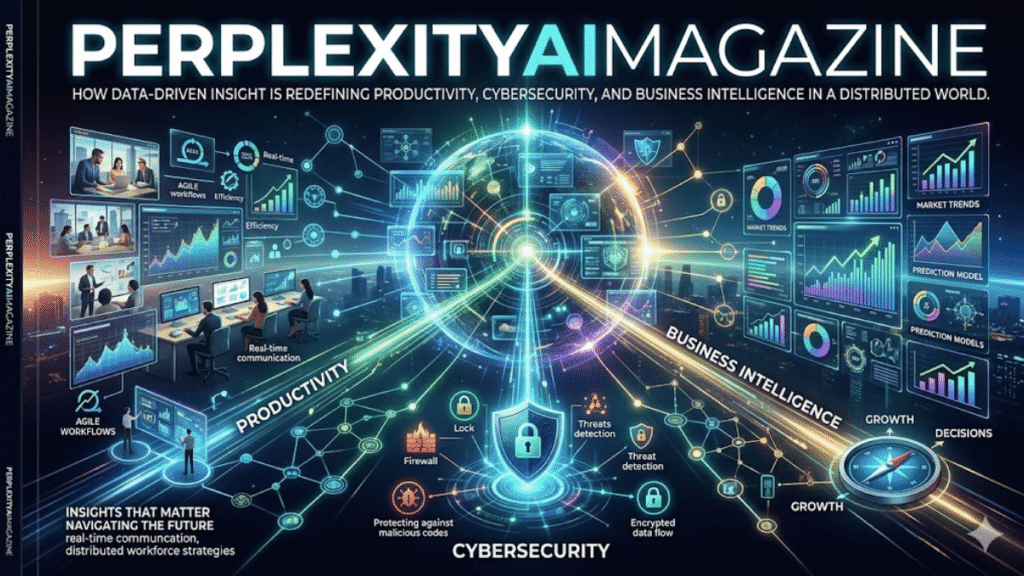
I began reporting this story with a simple question: how do modern organizations actually know whether work is happening effectively when teams are scattered across time zones and systems generate oceans of data every minute?
The answer lies in performance analytics. In the first hundred words of any honest explanation, the concept is straightforward. Performance analytics collects operational data, analyzes patterns, and interprets results to evaluate how individuals, teams, or systems perform against defined targets. The results guide decisions ranging from resource allocation and cybersecurity defense to employee productivity and website optimization.
But beneath that definition lies a profound shift in how organizations function. Over the past decade, performance analytics has evolved from simple reporting dashboards into sophisticated ecosystems powered by artificial intelligence, predictive modeling, and behavioral insights.
Remote work accelerated the transformation. When offices emptied during the COVID-19 pandemic, managers needed new ways to understand productivity without watching people sit at desks. Technology filled the gap. Time-tracking platforms, collaboration dashboards, and machine learning systems began measuring work patterns, task completion rates, and communication dynamics.
Meanwhile, cybersecurity teams used analytics to detect threats, and marketing departments applied experimentation tools to optimize digital experiences.
Today, performance analytics sits at the intersection of business intelligence, human resources, cybersecurity monitoring, and product development. Platforms such as Tableau, Qlik Sense, and Splunk are no longer just reporting tools. They are strategic infrastructure.
Organizations are discovering that the real value of analytics is not merely visibility. It is foresight.
The Rise of Performance Analytics in the Data Economy
I have watched analytics move from a niche technical discipline to a core organizational capability. In the early 2000s, most companies used spreadsheets or static reports to evaluate performance. Those tools offered historical snapshots but little insight into future outcomes.
The explosion of cloud computing and big data changed everything.
According to the International Data Corporation, global data creation is expected to reach 175 zettabytes by 2025, creating an urgent need for tools capable of interpreting massive datasets (Reinsel et al., 2018). Organizations realized that raw data without interpretation had little value.
Performance analytics emerged as the bridge between data and decision-making.
Modern systems combine data pipelines, visualization layers, and machine learning models. Dashboards update in real time. Predictive algorithms forecast performance risks before they occur.
“Analytics has shifted from descriptive reporting to predictive intelligence,” said Thomas Davenport, professor at Babson College and coauthor of Competing on Analytics. “Companies that integrate analytics deeply into decision processes consistently outperform those that rely on intuition alone.”
The transformation also reflects a cultural shift. Decision-making is increasingly grounded in metrics rather than hierarchy.
Performance analytics now influences hiring strategies, cybersecurity defense systems, product design, and even organizational culture.
Understanding the Core Mechanics of Performance Analytics
At its foundation, performance analytics follows a structured cycle that turns operational data into strategic insight.
First comes data collection. Organizations pull information from multiple sources: productivity tools, enterprise resource planning systems, cybersecurity logs, customer interactions, and employee engagement surveys.
Next is analysis. Algorithms and statistical models evaluate patterns, correlations, and anomalies within the data.
Then comes interpretation. Analysts or automated systems translate insights into dashboards, alerts, or recommendations that decision-makers can understand.
Finally, organizations act on insights, adjusting strategies, reallocating resources, or redesigning processes.
This cycle operates continuously rather than periodically.
Modern analytics systems rely on real-time streams of data instead of monthly reporting cycles. That shift allows organizations to detect problems quickly and respond before they escalate.
A cybersecurity system, for example, might detect abnormal login behavior within seconds. A productivity platform might reveal collaboration bottlenecks across teams.
“Analytics allows organizations to move from reactive management to proactive optimization,” explained Jeanne Harris, a senior executive researcher at Accenture.
The result is a new model of management built around continuous measurement and improvement.
Tools Driving Performance Analytics in 2026
A growing ecosystem of platforms now supports performance analytics across industries. These tools integrate dashboards, machine learning, and workflow automation.
| Tool | Best For | Key Features | Pricing Model |
|---|---|---|---|
| Tableau | Enterprise dashboards | Advanced visualizations, forecasting, data connectors | Enterprise subscription |
| VWO | Conversion optimization | Heatmaps, AI Copilot, session replays | Free trial + custom plans |
| Worktivity | Remote productivity | AI productivity patterns, KPI tracking | Custom pricing |
| Splunk | Cybersecurity analytics | Machine learning alerts, anomaly detection | Enterprise licensing |
| Qlik Sense | Self-service BI | Associative engine, real-time insights | Subscription |
Tableau remains one of the most widely used visualization platforms in enterprise environments. Its dashboards transform complex datasets into intuitive visual formats that executives can interpret quickly.
VWO, on the other hand, focuses on digital experience optimization. Marketing teams use it to run A/B tests, analyze user behavior, and improve website conversion rates.
Splunk occupies a different corner of the ecosystem. It specializes in machine data analytics, helping organizations monitor cybersecurity threats and system performance.
Qlik Sense emphasizes self-service analytics, allowing nontechnical users to explore datasets using natural language queries and automated insights.
Together, these tools illustrate how analytics has expanded beyond a single discipline into a multi-functional platform that supports nearly every operational domain.
Remote Work and the Measurement of Productivity
When millions of employees shifted to remote work during the pandemic, organizations faced an unfamiliar challenge: how to evaluate productivity without physical oversight.
Performance analytics became the answer.
Platforms such as Hubstaff, Worktivity, and ActivTrak began tracking indicators like task completion rates, application usage patterns, meeting frequency, and collaborative activity.
The goal was not simply surveillance. Many companies used the data to identify workflow inefficiencies and improve team coordination.
A 2022 report by Gartner found that 16 percent of companies worldwide used technology to monitor remote workers, a number expected to grow as hybrid work models persist (Gartner, 2022).
Yet analytics in remote work raises ethical questions.
Employee monitoring systems can easily cross the line from productivity measurement into intrusive surveillance. Critics argue that over-measurement may erode trust.
“Data can empower employees when used transparently,” said Ethan Bernstein, a professor at Harvard Business School who studies workplace transparency. “But hidden monitoring often undermines engagement and creativity.”
Organizations increasingly attempt to balance analytics with transparency by sharing dashboards with employees and focusing on team-level metrics rather than individual micromanagement.
The most successful implementations treat analytics as a collaborative tool rather than a policing mechanism.
Cybersecurity Analytics and the Battle Against Digital Threats
While productivity analytics receives public attention, cybersecurity may be the domain where performance analytics proves most essential.
Modern networks generate massive volumes of security data: login attempts, firewall logs, network traffic, and system behavior metrics. Detecting threats within that stream requires advanced analytics.
Security Information and Event Management systems, commonly known as SIEM platforms, analyze real-time activity across networks.
Tools such as Splunk and IBM QRadar use machine learning to identify anomalies that signal potential cyberattacks.
These systems monitor patterns such as unusual login times, unexpected data transfers, or abnormal device behavior.
When anomalies appear, automated alerts allow security teams to investigate before attackers gain deeper access.
According to IBM’s Cost of a Data Breach Report, the average global breach cost reached $4.45 million in 2023, highlighting the financial stakes of cybersecurity analytics (IBM Security, 2023).
Performance analytics in cybersecurity operates as an early warning system.
It transforms billions of log entries into actionable intelligence, helping organizations detect threats that human analysts alone could never identify.
Business Intelligence and Decision-Making at Scale
Business intelligence platforms represent another major pillar of performance analytics.
Executives increasingly rely on dashboards that integrate financial data, operational metrics, and market indicators.
Platforms such as Tableau, Power BI, and Qlik Sense allow organizations to visualize performance across entire enterprises.
These systems often integrate predictive analytics to forecast revenue trends, project completion timelines, and operational risks.
Power BI’s Copilot feature, introduced by Microsoft, uses generative AI to summarize datasets and generate forecasting models automatically.
The combination of visualization and artificial intelligence allows nontechnical decision-makers to interpret complex datasets quickly.
Organizations once required specialized data scientists to analyze information. Today, executives can ask natural language questions directly within analytics dashboards.
The shift represents the democratization of data.
As analytics tools become more accessible, organizations increasingly rely on metrics to guide strategy, replacing intuition with evidence-based decision-making.
VWO and Tableau: Two Paths to Performance Insight
Although many analytics tools share common capabilities, their strategic focus varies.
The contrast between VWO and Tableau illustrates how performance analytics serves different organizational goals.
| Aspect | VWO | Tableau |
|---|---|---|
| Primary Focus | Web experimentation and UX optimization | Enterprise data visualization |
| Core Reports | Heatmaps, session recordings, A/B testing dashboards | Interactive visual dashboards |
| Key Strength | Behavioral insights into user experience | Cross-dataset business intelligence |
| Integrations | Surveys, experimentation tools | Extensive data connectors |
| Learning Curve | Beginner friendly | Moderate technical learning |
VWO’s primary mission is digital optimization. Product managers and marketing teams use the platform to experiment with website layouts, analyze user behavior through heatmaps, and test alternative designs.
Tableau, by contrast, functions as a universal analytics engine.
Organizations connect financial databases, operational systems, and customer data into unified dashboards that reveal trends across the entire enterprise.
Both platforms illustrate the flexibility of performance analytics. The same fundamental concept can support disciplines ranging from marketing experimentation to enterprise-level decision-making.
Artificial Intelligence and the Future of Analytics Platforms
Artificial intelligence is rapidly reshaping performance analytics.
Modern platforms increasingly incorporate automated insight generation, natural language queries, and predictive modeling.
Two platforms illustrate the trend particularly well: Qlik Sense and Sisense.
Qlik Sense uses an associative engine that allows users to explore relationships across datasets dynamically. Its Insight Advisor recommends visualizations and identifies key drivers behind performance trends.
Sisense takes an AI-first approach. Its Intelligence assistant enables conversational analytics, allowing users to ask questions and receive real-time insights or predictive forecasts.
AI integration transforms analytics from passive reporting to active guidance.
Instead of waiting for analysts to interpret dashboards, platforms now generate recommendations automatically.
“Augmented analytics is the next stage of the data revolution,” said Rita Sallam, distinguished analyst at Gartner. “AI will increasingly guide users toward insights they might never have discovered manually.”
As machine learning models improve, analytics platforms will continue shifting from observation toward autonomous decision support.
Implementing Performance Analytics in Human Resources
Human resources departments increasingly rely on performance analytics to manage workforce development and retention.
Traditional HR systems tracked basic metrics such as attendance and salary records. Modern platforms analyze complex indicators including employee engagement, productivity trends, and career progression patterns.
Implementation typically follows a structured process.
First, organizations define objectives. These might include reducing turnover, improving employee engagement, or increasing productivity.
Next comes KPI identification. Metrics might include project velocity, absenteeism rates, and training completion rates.
Data collection then integrates sources such as HR information systems, employee surveys, and performance reviews.
Finally, analytics platforms interpret patterns and provide actionable insights.
Organizations often discover surprising trends.
Analytics may reveal that high performers experience burnout faster, or that collaboration patterns predict promotion outcomes.
Responsible implementation requires careful attention to privacy and fairness. Ethical analytics policies emphasize transparency and avoid algorithmic bias.
When implemented thoughtfully, performance analytics transforms HR from administrative support into strategic leadership.
Read: Productivity Tools That Actually Improve How You Work
Key Metrics Driving Modern Performance Analytics
Performance analytics relies on clearly defined metrics that translate organizational goals into measurable indicators.
| Metric Category | Example Indicators | Organizational Impact |
|---|---|---|
| Productivity | Task completion rate, project velocity | Efficiency improvements |
| Engagement | Employee satisfaction scores, eNPS | Workplace culture insights |
| Retention | Turnover rate, tenure distribution | Talent management strategy |
| Quality | Error rates, customer satisfaction | Product or service reliability |
| Security | Threat detection time, incident response | Cyber risk mitigation |
The selection of metrics determines the effectiveness of analytics systems.
Organizations must align measurements with strategic goals rather than collecting data indiscriminately.
Poorly chosen metrics may create unintended incentives, encouraging employees to optimize numbers rather than outcomes.
Successful analytics frameworks balance quantitative indicators with qualitative insight.
The goal is not merely measurement but meaningful improvement.
Takeaways
- Performance analytics converts operational data into insights that guide organizational decisions.
- Modern analytics platforms integrate dashboards, machine learning, and predictive modeling.
- Remote work accelerated adoption of productivity analytics tools.
- Cybersecurity systems rely on analytics to detect anomalies and prevent breaches.
- AI-powered platforms increasingly automate insights and forecasting.
- Ethical data use and transparency remain critical for employee trust.
- Successful analytics programs align metrics directly with organizational goals.
Conclusion
I have come to see performance analytics as the quiet architecture behind modern organizations.
Most employees never interact directly with analytics systems. Yet the dashboards, algorithms, and predictive models embedded within enterprise platforms increasingly shape how work is measured, managed, and improved.
The technology’s influence will likely expand in the coming years.
Artificial intelligence is transforming analytics into an active partner in decision-making, capable of forecasting trends, identifying anomalies, and recommending strategies automatically.
At the same time, organizations must confront ethical questions about data transparency, privacy, and algorithmic fairness.
The challenge ahead is not merely technical. It is cultural.
Performance analytics succeeds when organizations treat data as a shared resource rather than a tool of surveillance. When employees understand how insights are generated and how they benefit both individuals and teams, analytics becomes a mechanism for collaboration rather than control.
In the end, the promise of performance analytics lies in its ability to illuminate complexity. In a world overflowing with information, clarity is power.
And the organizations that learn to interpret their data wisely will shape the future of work.
FAQs
What is performance analytics?
Performance analytics is the process of collecting and analyzing data about individuals, teams, or systems to measure outcomes and improve decision-making.
Why is performance analytics important for remote work?
Remote teams generate digital activity data that analytics platforms use to evaluate productivity, collaboration patterns, and workflow efficiency.
Which tools are commonly used for performance analytics?
Popular tools include Tableau, Power BI, Qlik Sense, Splunk, and VWO, each serving different analytical purposes.
How does AI enhance performance analytics?
Artificial intelligence automates insight discovery, predicts trends, and enables natural language queries within analytics dashboards.
Are there risks associated with performance analytics?
Yes. Poor implementation may raise privacy concerns, encourage excessive monitoring, or create biased decision systems.
