

I first came across epcylon while researching early attempts to blend psychology with algorithmic trading, a space now crowded but once daringly experimental. In 2013, Epcylon Technologies announced a joint venture that promised to change how professional traders understood markets, not just through numbers, but through human behavior itself.
Within the first hundred words, the search intent becomes clear. Readers want to know what epcylon was, what it built, who it partnered with, and why it seemingly vanished. The company, then trading publicly under the symbol PRFC, positioned itself as a diversified technology firm spanning trading software, gaming, and smart systems. Its most ambitious move came with a partnership alongside Integrated Transaction Systems and PC Quote Canada. Together, they announced a turnkey global trading platform aimed at professional traders.
The pitch was bold. Real-time fundamental and technical data would merge with epcylon’s patented Stealth Analytics, a system rooted in cognitive psychology designed to visualize market sentiment. Multi-broker routing and automated tools would round out a product meant to compete with elite institutional platforms. More than a decade later, there are no public updates on the venture’s outcome.
This article examines epcylon’s rise, its 2013 joint venture, the Stealth Analytics technology, and the company’s later trajectory. I explore why such an ambitious project struggled to leave a lasting footprint and what its story reveals about innovation at the intersection of finance and human behavior.
Read: Startup Booted Fundraising Strategy: Revenue-First Growth Without VC
The 2013 Joint Venture Announcement
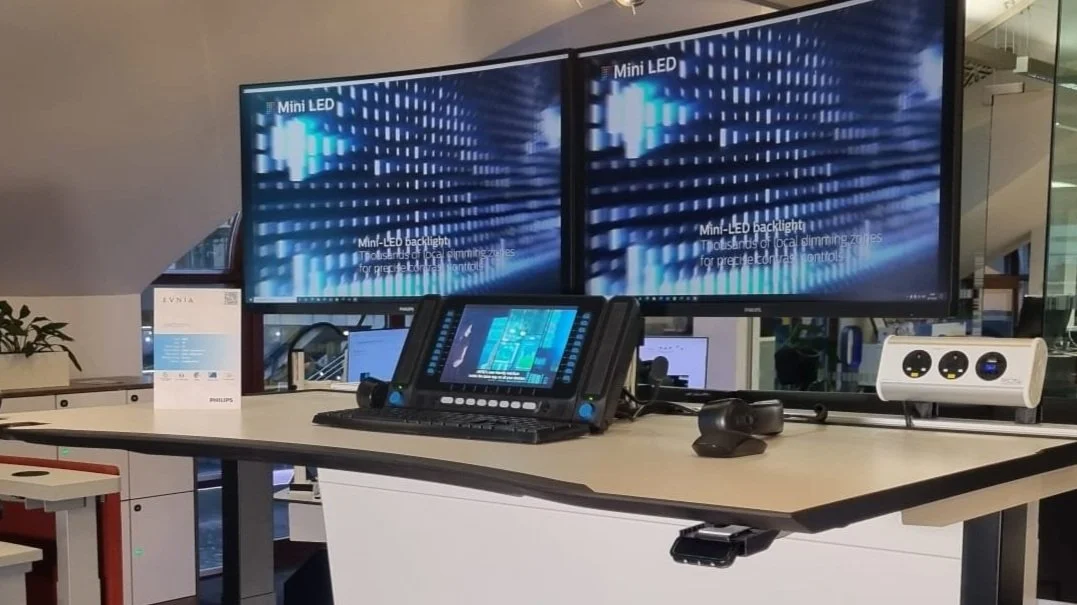
In early 2013, epcylon Technologies issued a press release that captured attention in niche trading circles. The company announced a joint venture with Integrated Transaction Systems and PC Quote Canada, aiming to build a comprehensive, professional-grade trading platform for global markets.
The structure of the venture reflected complementary strengths. PC Quote Canada contributed real-time market data infrastructure. Integrated Transaction Systems brought multi-broker trade routing and execution expertise. Epcylon supplied the differentiator: Stealth Analytics, a patented approach to market psychology that claimed to reveal sentiment patterns invisible to traditional charts.
The platform was marketed as turnkey, meaning firms could deploy it quickly without assembling disparate tools. Features included sentiment visualization, automated trading modules, and global market access. At a time when many platforms focused purely on speed or data volume, epcylon emphasized cognition and perception.
The announcement positioned epcylon as a challenger to established trading software vendors. Yet even then, the market was consolidating. Larger firms with deeper capital were scaling rapidly. The joint venture promised innovation, but its long-term execution depended on sustained funding, adoption, and regulatory navigation.
Company Background and Public Market Presence
Epcylon Technologies described itself as a diversified technology company, but trading software sat at its core. Listed on the OTCQB under the symbol PRFC, the firm targeted niche opportunities overlooked by larger players. Its leadership emphasized intellectual property, particularly patents grounded in cognitive psychology.
Beyond trading, epcylon explored gaming technologies and smart systems, reflecting a strategy of cross-industry innovation. This diversification, however, also diluted focus. Public filings from the early 2010s show modest revenues and ongoing development costs.
Being an OTC-listed company brought both flexibility and constraints. Disclosure requirements were lighter than major exchanges, but access to capital was limited. Investor visibility was low. For a venture as ambitious as a global trading platform, these factors mattered.
By 2013, epcylon’s market capitalization was small relative to competitors. The joint venture represented a bet that collaboration could offset scale disadvantages. It also signaled confidence that Stealth Analytics could differentiate the company in a crowded field.

Stealth Analytics and the Psychology of Markets
At the heart of epcylon’s vision was Stealth Analytics, a patented technology designed to visualize trader sentiment and cognitive bias in real time. Unlike conventional indicators, it claimed to bypass standard price and volume charts.
Stealth Analytics drew on principles from cognitive psychology, attempting to map how fear, greed, and herd behavior manifested in market movements. The idea was not entirely new. Behavioral finance had long challenged the assumption of rational actors. What epcylon offered was a practical, visual tool for traders.
By 2015, the company launched the Stealth-Trader platform, including live trade rooms where professionals could interpret sentiment signals collectively. Marketing materials emphasized decision-making clarity and reduced emotional noise.
Experts in behavioral finance were cautiously intrigued. As one academic observer noted at the time, tools that make bias visible can improve discipline, but they do not eliminate risk. The challenge lay in validation. Without widespread adoption or peer-reviewed studies, Stealth Analytics remained promising but unproven.
The Turnkey Platform Vision
The joint venture’s promise rested on integration. Traders would no longer need separate systems for data, execution, and analysis. The platform aimed to unify these functions into a single environment optimized for speed and insight.
Multi-broker routing allowed users to access liquidity across venues. Automated trading tools enabled strategy execution without constant manual input. Sentiment overlays added a psychological layer to decision-making.
This vision aligned with broader industry trends. By the early 2010s, algorithmic trading dominated volume, but human traders still sought edges in interpretation. Epcylon’s platform targeted that hybrid space.
Yet integration is complex. Each component introduces dependencies and potential failure points. For a small firm and its partners, maintaining reliability across global markets required resources on par with much larger competitors.

Expansion Efforts After 2013
Following the joint venture, epcylon pursued expansion through partnerships and geographic outreach. In 2015, the company announced new corporate offices and promoted the Stealth-Trader live trade room as a flagship offering.
In 2016, epcylon disclosed distribution agreements aimed at Asia, including a China market entry facilitated by Lynx Capital. The same year, it signed a memorandum of understanding with Inditrade Capital in India.
These moves suggested ambition, but public records show limited follow-through. Regulatory hurdles, localization challenges, and capital constraints likely slowed progress. SEC filings from the period indicate ongoing operations but no breakout growth.
Timeline of Key Developments
| Year | Event | Significance |
|---|---|---|
| 2013 | Joint venture announced | Launch of turnkey trading platform vision |
| 2015 | Stealth-Trader introduced | Commercialization of sentiment analytics |
| 2016 | Asia distribution MOUs | Attempted global expansion |
| Post-2016 | No major updates | Apparent operational slowdown |
Why the Trail Went Quiet
By the late 2010s, public information on epcylon grew sparse. No new joint ventures, major product launches, or investor updates appeared. Searches increasingly returned unrelated “Epsilon” companies in energy, telecom, and composites.
Several factors likely contributed. Competition intensified as well-capitalized firms integrated behavioral analytics. Regulatory demands increased. Investor appetite for small OTC tech plays waned.
A former fintech analyst observed that many early innovators underestimate the cost of scaling trust in financial markets. Technology alone is insufficient. Adoption depends on reputation, compliance, and endurance.
Epcylon’s story fits a broader pattern. Ambitious ideas emerge, prove technically interesting, but falter without sustained backing. The absence of recent filings or press suggests the company became inactive, at least publicly.
Comparative Perspective on Behavioral Trading Tools
| Feature | Epcylon Stealth Analytics | Mainstream Platforms |
|---|---|---|
| Core focus | Cognitive psychology | Price and volume data |
| Visualization | Sentiment-based | Technical indicators |
| Adoption | Limited | Widespread |
| Validation | Proprietary | Academic and industry tested |
Takeaways
- Epcylon Technologies pursued an early fusion of psychology and trading technology.
- Its 2013 joint venture promised a comprehensive professional platform.
- Stealth Analytics aimed to visualize market sentiment using cognitive principles.
- Expansion efforts reached Asia but showed limited public results.
- The company appears inactive as of 2026, with no recent disclosures.
- Its story reflects the challenges of scaling innovation in financial technology.
Conclusion
I find epcylon’s trajectory both instructive and cautionary. The company identified a genuine gap in how traders understood markets, recognizing that psychology matters as much as data. Its Stealth Analytics concept anticipated today’s interest in sentiment and behavioral signals.
Yet innovation alone rarely guarantees survival. Epcylon operated in an unforgiving sector where trust, capital, and scale determine outcomes. The 2013 joint venture was ambitious, but ambition requires sustained execution.
As of 2026, epcylon exists more as a footnote than a force. Its legacy lives in the broader acceptance of behavioral finance tools now embedded in mainstream platforms. In that sense, epcylon was early, perhaps too early, and under-resourced for the marathon of financial technology.
FAQs
What was epcylon Technologies?
A small publicly traded tech firm focused on trading software, gaming, and smart technologies, best known for psychology-based market tools.
What did the 2013 joint venture aim to build?
A turnkey global trading platform combining real-time data, sentiment analytics, and multi-broker trade routing.
What is Stealth Analytics?
A patented system using cognitive psychology to visualize market sentiment and trader behavior.
Is epcylon still active in 2026?
There are no recent public updates, filings, or news indicating active operations.
Are there related companies today?
Modern searches often confuse epcylon with unrelated “Epsilon” firms in other industries.
