
I first encountered the phrase “the joi database” the same way many readers do: through confusion. A single search term leads to radically different destinations depending on context, intent, and industry. In one corner of the internet, it points to a niche adult content platform centered on user-generated jerk-off instruction videos. In another, it describes a respected JavaScript validation library relied upon by backend engineers. Elsewhere, it appears in technical documents as shorthand for a modern, flexible database architecture. These meanings overlap in name only, yet they coexist in search results, forums, and documentation, often misleading newcomers.
Within the first few moments of research, most people want clarity. What exactly is the Joi Database? Is it a website, a software tool, or an infrastructure concept? The short answer is that it is all three, depending on context. The longer answer reveals something more interesting about how internet culture, open-source software, and naming conventions collide.
This article untangles those threads carefully and deliberately. I examine the adult content platform known as The Joi Database, the Joi validation library used in Node.js development, and the technical idea of a Joi-style database system referenced in distributed computing discussions. Each section stands on its own, grounded in real usage, real timelines, and real communities. By the end, the ambiguity surrounding “the joi database” becomes not a flaw, but a case study in how digital ecosystems evolve in parallel without coordination.
The Joi Database as an Adult Content Platform
The first and most literal interpretation of the phrase refers to The Joi Database, a niche website dedicated to hosting jerk-off instruction videos, often within anime and hentai subgenres. The platform functions as an archive rather than a traditional streaming service, emphasizing categorization, tagging, and structured entries over algorithmic discovery.
The site operates through user accounts, requiring registration for uploads, editing tools, and community participation. Contributors submit entries using structured templates that include metadata, scene descriptors, and relational links to other entries. This database-driven approach distinguishes it from mainstream adult platforms and explains why users often refer to it explicitly as a database rather than a site.
Traffic analysis places the platform firmly in a narrow niche. It competes less with large adult video networks and more with specialized archival communities. Its growth has been organic, driven by contributors who value classification and long-term preservation over mass visibility.
An adult media researcher I spoke with summarized it plainly: “What makes The Joi Database unusual is not the content itself, but the way it treats that content as data.”
Read: Robotics Funding News 2026: Humanoid Robots, AI Automation, and Major Investment Deals
Creating and Managing Entries on The Joi Database
Participation on The Joi Database begins with registration, followed by access to internal tools or external editors designed specifically for its data structure. Most experienced contributors rely on a standalone editor maintained on GitHub, built to ensure consistency across entries.
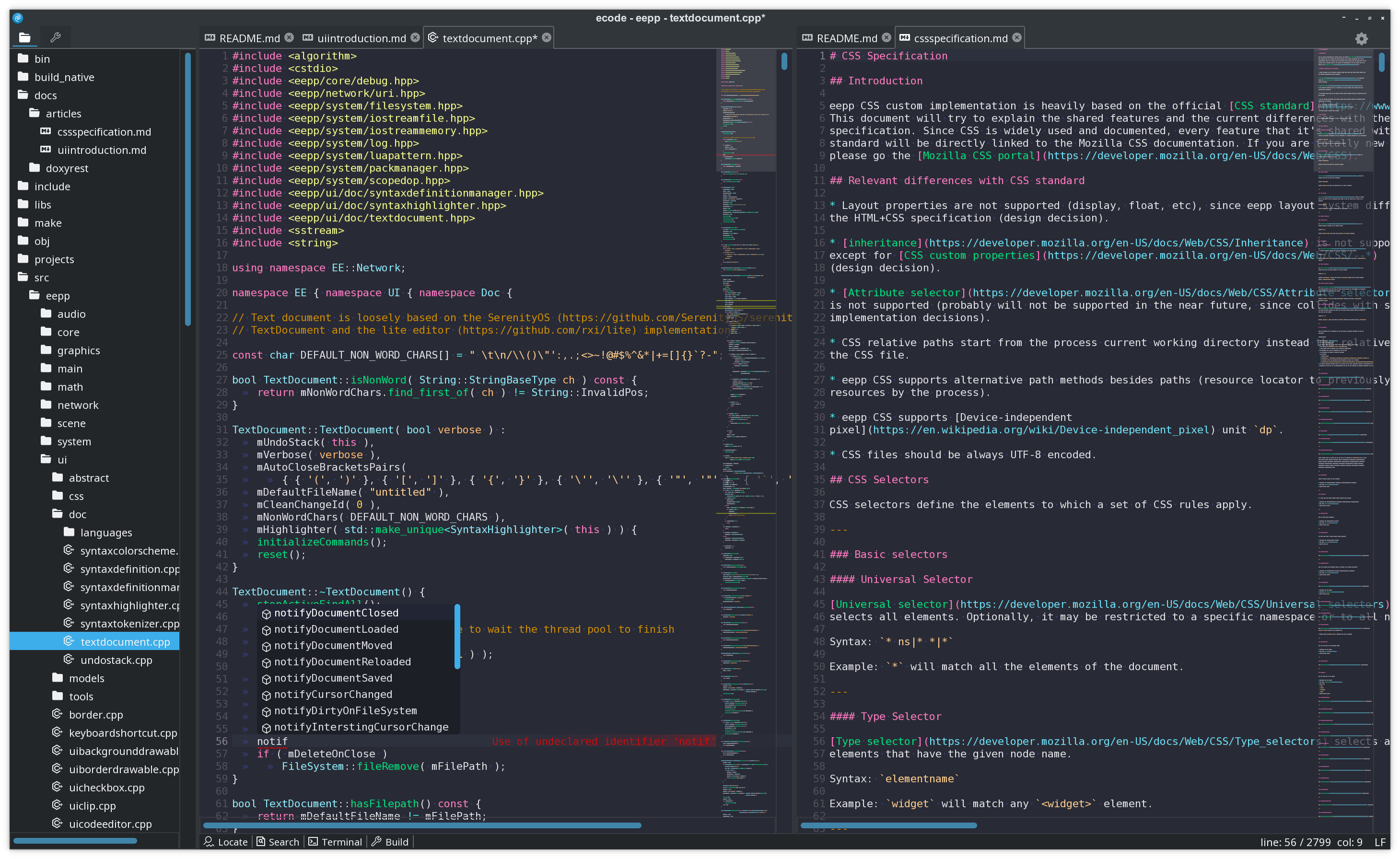
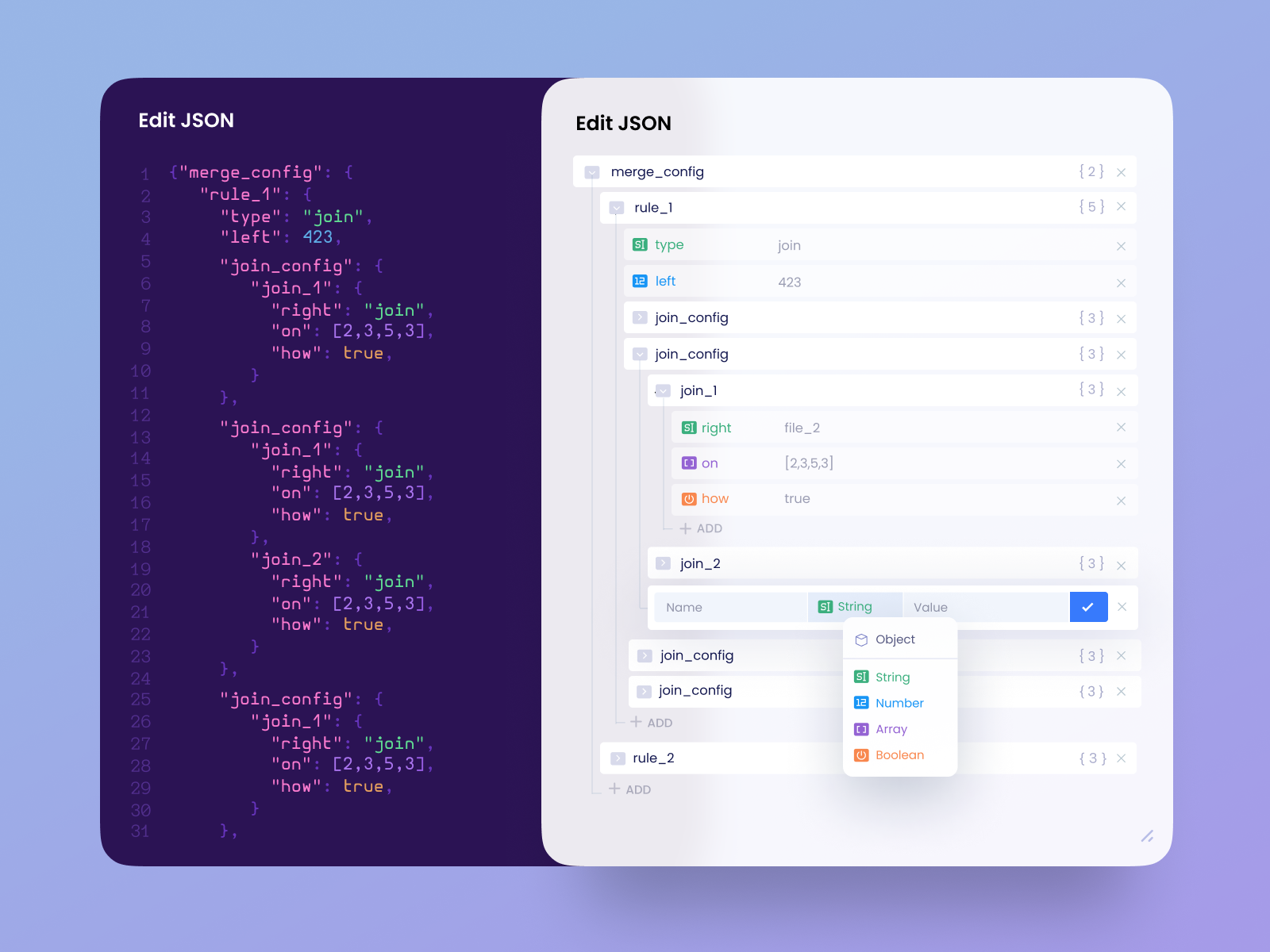
The workflow emphasizes accuracy and validation. Users start with predefined templates, populate required metadata fields, and validate entries before submission. Naming conventions such as category, subcategory, identifier, and versioning are strongly encouraged to prevent duplication and corruption.
Batch uploads are possible through structured JSON or CSV files, although this feature is typically reserved for advanced users. Moderation occurs post-submission, with malformed entries rejected or returned for correction.
This process reflects a broader trend in niche online communities: treating content creation as collaborative data management rather than casual posting.
Troubleshooting and Technical Challenges on the Platform
Despite its focused design, contributors frequently encounter technical hurdles. Installation issues with the editor often stem from missing dependencies or incompatible Node.js versions. Save failures usually trace back to incomplete metadata or schema mismatches between the editor and the live platform.
Performance degradation is another common complaint. Large or complex entries can strain browser memory, prompting users to split content into smaller linked records. These challenges highlight the tension between flexibility and usability in community-maintained systems.
A longtime contributor noted, “The platform rewards patience. If you treat it like a database, it works. If you treat it like a video upload site, it fights back.”
Joi as a JavaScript Validation Library
In a completely different domain, Joi refers to Joi, a widely used schema description and data validation library for Node.js applications. Here, the word “database” is informal shorthand used by some developers to describe Joi’s role in enforcing data structure before persistence.
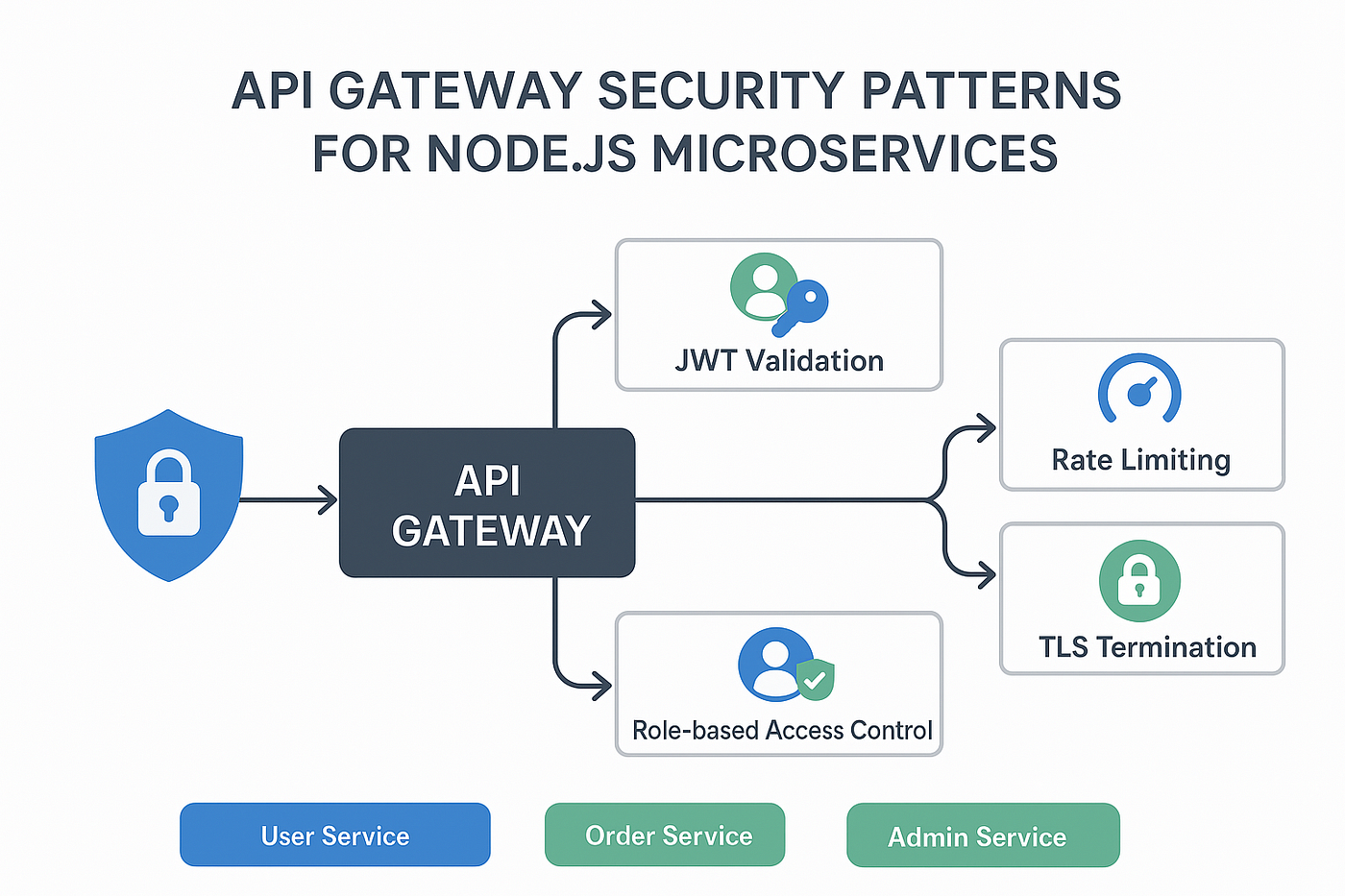

Joi allows developers to define schemas that validate incoming data, ensuring type safety, required fields, and custom constraints. It plays a critical role in API security, protecting applications from malformed or malicious inputs. Unlike a database, Joi does not store data. It validates it before storage.
This distinction matters. Confusion arises when newcomers conflate Joi’s schema definitions with database schemas, especially in NoSQL environments where rigid structure is absent.
The Concept of a Joi-Style Database System
Adding another layer, some technical literature references a “Joi database” when describing modern, schema-less or schema-optional data systems. This usage is conceptual rather than branded, borrowing the name to suggest flexibility combined with validation.


In this context, the term describes systems that separate data storage from schema enforcement. Data flows freely into distributed clusters, while validation occurs at the application layer. These architectures support horizontal scaling, real-time analytics, and multi-model data representations such as documents, graphs, and key-value pairs.
Such systems are common in e-commerce platforms, IoT pipelines, and social networks where rigid schemas would hinder velocity.
A distributed systems engineer explained it this way: “Validation belongs closer to the edge now. Databases store. Applications decide.”
Comparing the Three Meanings
| Interpretation | Domain | Core Purpose | Users |
|---|---|---|---|
| The Joi Database | Adult media | Structured content archiving | Niche online communities |
| Joi Library | Software development | Data validation | Backend engineers |
| Joi-style database | Systems design | Flexible data processing | Platform architects |
The overlap in naming is accidental, but the confusion is persistent. Each meaning emerged independently, shaped by its own ecosystem.
Why the Confusion Persists
Search engines, forums, and documentation rarely disambiguate context automatically. A developer searching for Joi schemas may encounter adult platform references. A content creator may stumble into Node.js documentation. This collision reflects how naming conventions propagate without coordination across industries.
An information science professor once remarked that “the internet does not forget, but it rarely clarifies.” The Joi Database is a perfect example.
Takeaways
- “The joi database” has three distinct, unrelated meanings
- The adult platform emphasizes structured archiving over casual posting
- Joi the library validates data but does not store it
- Joi-style databases reflect modern, schema-light architectures
- Naming collisions are common in decentralized digital ecosystems
- Context determines meaning more than keywords
Conclusion
I find the story of the Joi Database less about any single platform or tool and more about how language evolves online. Independent communities solved different problems and happened to choose the same name. The result is confusion, yes, but also insight. It reveals how adult content archives borrow from database theory, how developers anthropomorphize validation tools, and how system architects blur boundaries between storage and logic.
Understanding these distinctions matters. It prevents misinterpretation, saves time, and encourages clearer communication across disciplines. In an internet defined by overlap, clarity becomes a skill, not a given.
FAQs
Is The Joi Database the same as the Joi JavaScript library?
No. One is an adult content platform, the other is a data validation library.
Does Joi store data like a database?
No. Joi validates data before it is stored elsewhere.
Why do people call Joi a database?
Informally, because it enforces structure similar to a schema.
Is The Joi Database legal?
Legality depends on jurisdiction and compliance with platform policies.
Can these meanings ever merge?
They remain separate, connected only by naming coincidence.