
I have walked city streets where nothing about the sidewalks hints at the torrents of data racing beneath them. Yet under manholes and along utility corridors, IP Metropolitan Area Network quietly bind together the digital life of modern cities. An IP MAN sits between the intimacy of a local network and the vast reach of the global internet, designed to move enormous volumes of voice, video, and data across an urban landscape with speed and resilience.
In practical terms, an IP Metropolitan Area Network connects multiple Local Area Networks across a city using Internet Protocol for routing and transmission. It usually spans between five and fifty kilometers, large enough to cover business districts, universities, hospitals, and municipal agencies, but compact compared with national or international Wide Area Networks. In the first moments of understanding, what matters most is purpose. IP MANs exist to aggregate traffic efficiently, reduce latency, and deliver reliable broadband services where population density and economic activity demand it.
I see these networks as the circulatory systems of cities. They support cloud access for enterprises, smart city sensors for traffic and utilities, high-definition video for public safety, and internet exchange points that keep local traffic local. Without them, urban digital life would fragment into isolated islands. With them, cities gain a shared, scalable backbone capable of adapting as technology and demand evolve.
Defining the IP Metropolitan Area Network
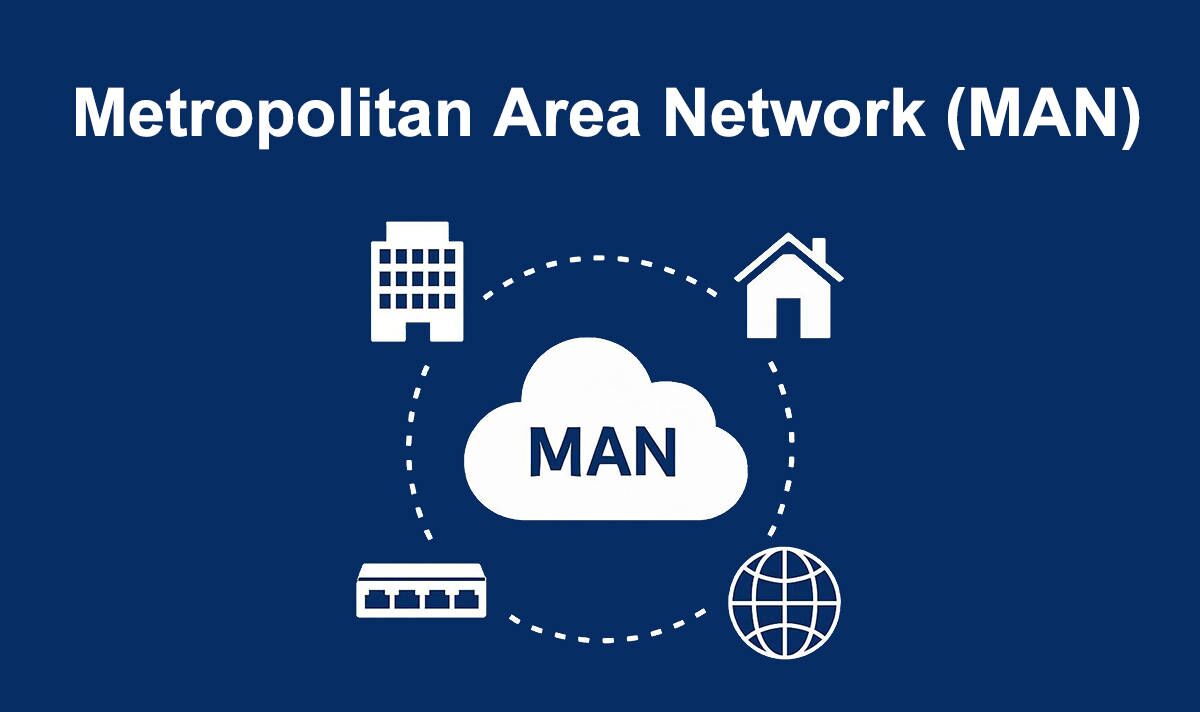
I think of an IP MAN as a deliberate middle ground. It is larger and more complex than a single campus LAN, yet more geographically focused than a WAN that crosses countries. Built on Internet Protocol, it routes packets efficiently across an urban region, handling broadband access, voice over IP, video streaming, and bulk data aggregation.
Coverage typically ranges from five to fifty kilometers, enough to span an entire metropolitan core. The defining characteristic is not just distance but architecture. IP MANs rely on high-capacity fiber backbones, carrier-grade routers, and standardized IP routing protocols to ensure interoperability and scalability. Unlike legacy metro networks that were tied to single services, IP MANs are multiservice by design.
This flexibility allows service providers and municipalities to converge traffic types on one infrastructure. Data from offices, surveillance cameras, hospitals, and mobile base stations can coexist, prioritized through quality of service mechanisms. The result is a network that behaves like a shared urban utility, adaptable to changing demands without constant physical redesign.

The Fiber-Optic Backbone at the City’s Core
When I look at IP MAN infrastructure, fiber optic cabling stands out as its backbone. Single-mode fiber provides the bandwidth and low latency required for metropolitan traffic loads. These fibers are often arranged in ring topologies that loop around a city, connecting major aggregation points.
Ring designs matter because cities cannot tolerate long outages. A cut cable on a linear path could isolate entire districts. In a ring, traffic can reroute in the opposite direction, maintaining service. This physical resilience pairs naturally with IP routing, which can reconverge paths dynamically when failures occur. – ip metropolitan area network.
Fiber backbones also future-proof the network. As demand grows, operators can upgrade transceivers from gigabit to 10, 40, or 100 gigabits per second without replacing the fiber itself. This scalability explains why fiber investment remains central to metropolitan networking strategies worldwide.
Read: XLOOKUP Explained: Excel’s Most Powerful Lookup Function
Core Routers and Switches as Traffic Conductors
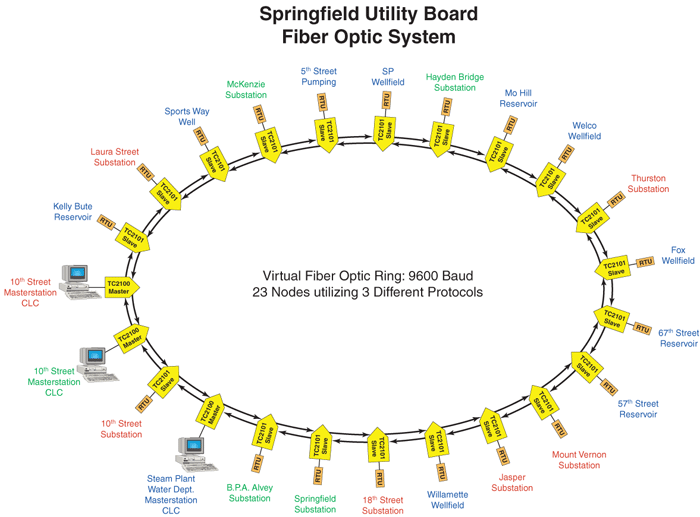
At the heart of an IP MAN sit core routers and high-capacity switches. I often describe them as conductors of a vast digital orchestra, directing packets with precision and speed. These devices operate at Layer 3, making routing decisions based on IP addresses rather than simple forwarding.
Modern core routers handle millions of packets per second, maintaining large routing tables and enforcing policies for quality of service and security. They support protocols such as OSPF, IS-IS, and BGP to exchange routing information and ensure optimal paths across the metropolitan fabric. – ip metropolitan area network.
According to the Internet Society, scalable IP routing is essential for urban networks because it allows incremental growth without architectural disruption. This principle has guided the evolution of metropolitan networks from rigid circuits to flexible, packet-based systems.
Access Points and the Edge of the Network
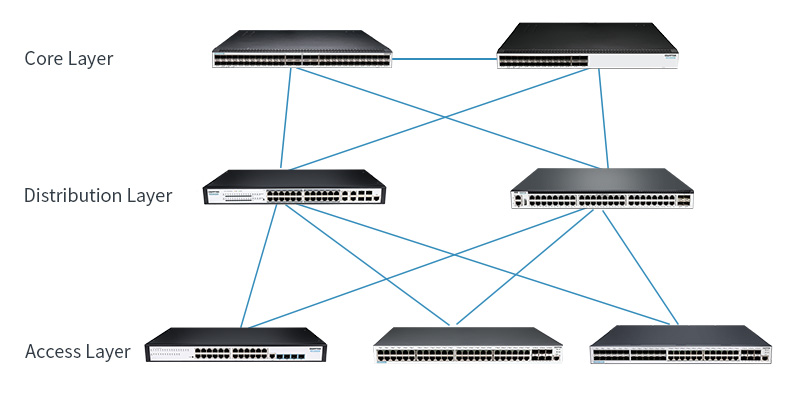
Every IP MAN ultimately serves end users, and that connection happens at the edge. Access points link local area networks, wireless systems, and customer premises equipment to the metropolitan backbone. These may be Ethernet aggregation switches in office buildings or wireless base stations feeding into fiber.
I find the edge fascinating because it reflects the diversity of urban connectivity. Businesses demand symmetrical high-speed links, while residential users may prioritize downstream capacity. Public institutions often require strict security and guaranteed uptime. IP MAN access layers accommodate these differences through configurable interfaces and service profiles. – ip metropolitan area network.
As 5G and Wi-Fi 6 expand, the edge becomes even more critical. High-density wireless networks rely on robust metropolitan backhaul to deliver promised speeds and low latency. In this way, IP MANs quietly underpin the mobile experiences city dwellers take for granted.

Ring Topology and Self-Healing Design
Ring topology deserves special attention because it defines how many IP MANs achieve resilience. In a ring, each node connects to two neighbors, forming a closed loop. Data can travel clockwise or counterclockwise, depending on configuration and network state.
Dual-ring designs add another layer of protection. If one path fails, traffic switches to the counter-rotating ring in milliseconds. Technologies such as Ethernet Ring Protection Switching enable recovery times under 50 milliseconds, approaching the reliability once reserved for legacy SONET systems.
I see this as an elegant blend of old and new. The physical redundancy of rings pairs with IP intelligence to deliver five-nines availability, a standard often required for public safety and financial services. Cities depend on this quiet robustness every day.
Data Flow and Loop Prevention
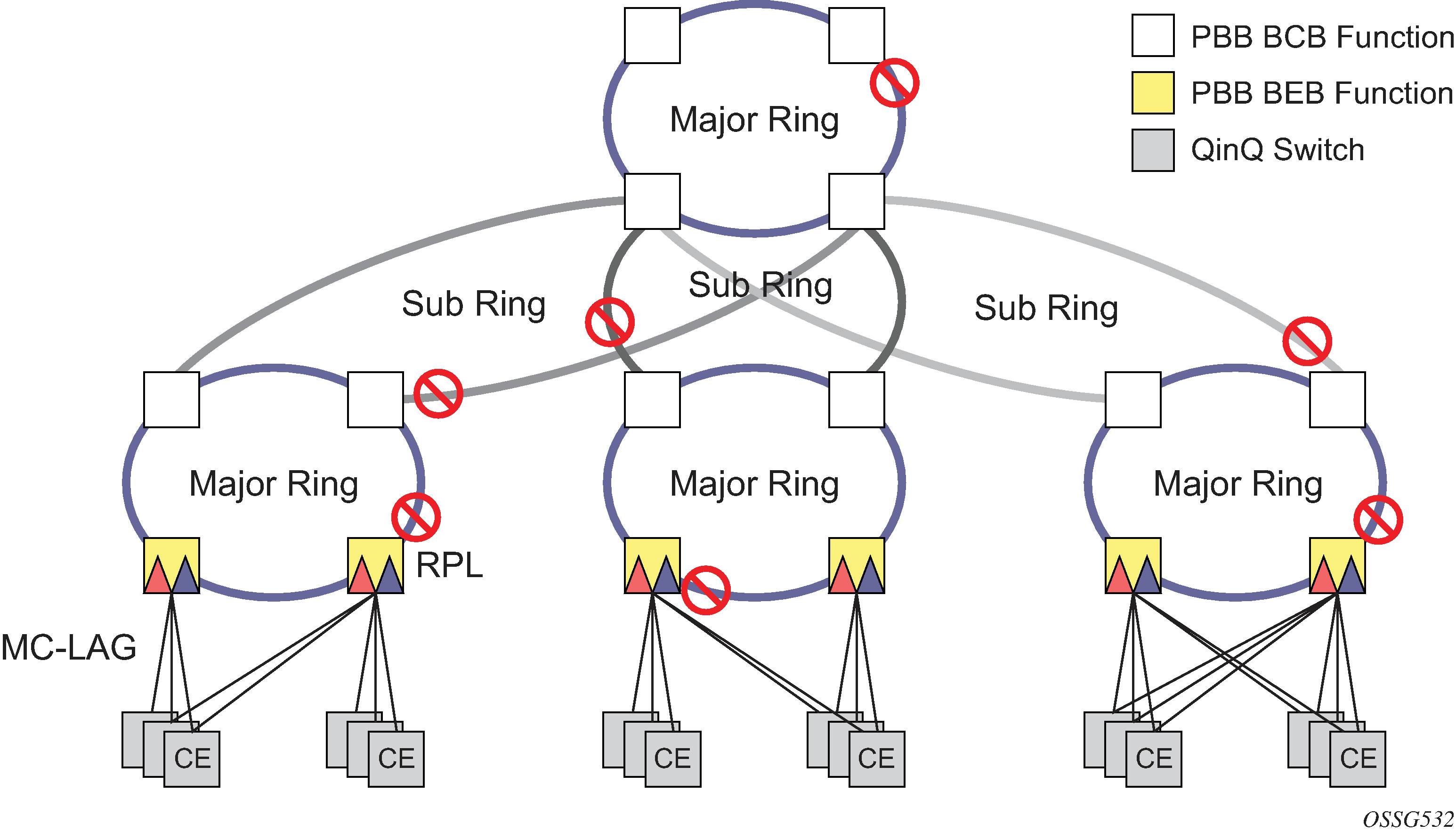
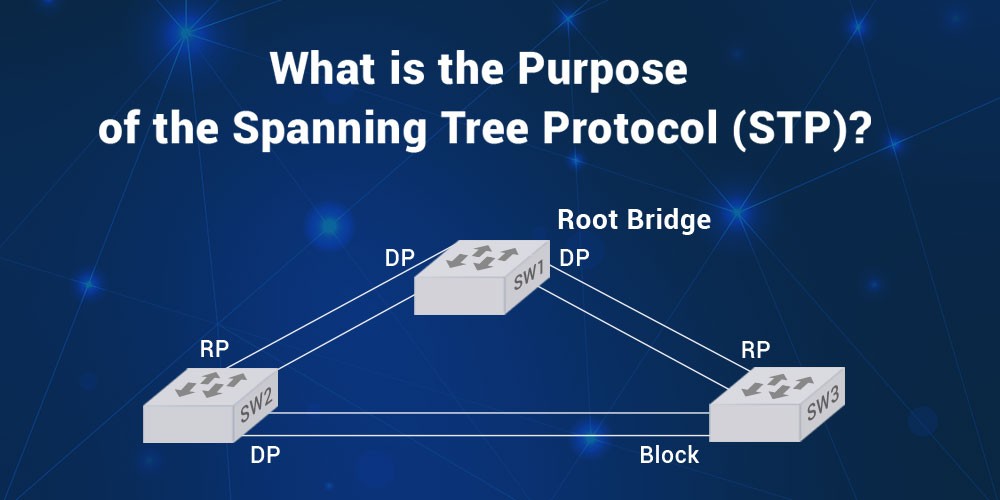
In a ring-based IP MAN, data packets circulate until they reach their destination. Each router examines packet headers, determines whether the traffic is local, and forwards it accordingly. Without safeguards, such loops could cause broadcast storms and congestion.
To prevent this, networks employ mechanisms such as blocked protection links, Spanning Tree Protocol variants, or ring-specific protection switching. These controls ensure that only one logical path carries traffic at a time, while backup paths remain idle until needed.
Metro Ethernet standards have refined these techniques, allowing IP routing to scale across dozens of nodes without instability. The result is predictable performance even as services and endpoints multiply across a city.
High-Performance Core Equipment in Practice
Large IP MANs rely on powerful core devices often referred to as Gigabit Switch Routers. These platforms focus on Layer 3 forwarding, minimizing unnecessary Layer 2 complexity. They support massive throughput and a wide range of interfaces, from Gigabit Ethernet to multi-10G ports.
Vendors such as ZTE and Huawei have developed metropolitan-class routers capable of terabit-scale switching. Models like ZTE’s T1200 series and Huawei’s NE40E line illustrate how IP MAN cores interconnect city networks with national backbones.
An IEEE Communications Magazine analysis notes that such routers enable policy-based routing, multicast support, and traffic engineering, all essential for converged urban services. Their role is both technical and strategic, shaping how cities grow digitally.
Protocols That Keep the City Talking
Routing protocols form the logical glue of an IP MAN. OSPF and IS-IS manage internal paths, adapting quickly to topology changes. BGP handles external connectivity, exchanging routes with upstream providers and neighboring networks.
Quality of service mechanisms such as DiffServ ensure that latency-sensitive traffic, including voice and video, receives priority. MPLS adds another layer, enabling virtual private networks and traffic engineering across shared infrastructure. – ip metropolitan area network.
I appreciate how these protocols transform raw bandwidth into dependable services. Without them, fiber and routers would be inert assets. With them, a city gains a responsive, policy-driven network capable of supporting diverse needs.
IP MANs in Smart City Deployments
Smart city initiatives depend heavily on IP MANs. Sensors for traffic flow, air quality, and utilities generate continuous streams of data that must reach analytics platforms in near real time. A metropolitan network provides the aggregation and reliability required.
Municipal governments also rely on IP MANs for interdepartmental connectivity. Police, fire, transportation, and health services share data across a common backbone, improving coordination. According to a report by the World Bank, cities with integrated digital infrastructure respond more effectively to emergencies and service demands.
In this context, IP MANs become civic infrastructure, as vital as roads or power lines. Their design choices influence how well a city can innovate and adapt.

Business Connectivity and Cloud Access
Enterprises were among the earliest adopters of IP MAN services. Multi-branch organizations use metropolitan networks to connect offices, data centers, and cloud on-ramps with consistent performance. Compared with public internet links, IP MAN connections offer predictable latency and stronger service guarantees.
I have seen financial firms rely on metro networks to synchronize data across trading floors, while media companies use them to move high-resolution video between studios. Cloud providers also deploy metro access points to bring compute resources closer to users, reducing delay.
An analyst at Gartner observed that proximity to cloud infrastructure is now a competitive advantage for cities. IP MANs make that proximity possible by linking local demand to regional data hubs.
Government Operations and Public Safety
For government agencies, reliability and security are paramount. IP MANs support encrypted communications, network segmentation, and redundancy tailored to public sector needs. Police video feeds, emergency dispatch systems, and surveillance networks depend on uninterrupted connectivity.
During crises, the ability to reroute traffic automatically around failures can be lifesaving. Metropolitan networks designed with dual rings and diverse paths maintain service even under physical damage.
Experts at the U.S. National Institute of Standards and Technology emphasize that resilient networking is foundational to modern public safety systems. IP MANs provide that foundation at city scale.
Benefits of IP Metropolitan Area Networks
The advantages of IP MANs extend beyond speed. Scalability allows networks to grow with urban populations. Redundancy ensures continuity of service. Standardized IP protocols enable interoperability across vendors and services.
Security also improves through centralized policy enforcement and segmentation. Rather than managing isolated networks, operators can apply consistent controls across the metropolitan fabric. This unified approach simplifies compliance and monitoring.
Finally, cost efficiency emerges over time. While initial fiber deployment is capital intensive, shared infrastructure reduces duplication and operational expense. Cities and service providers alike benefit from economies of scale.
Comparing LANs, IP MANs, and WANs
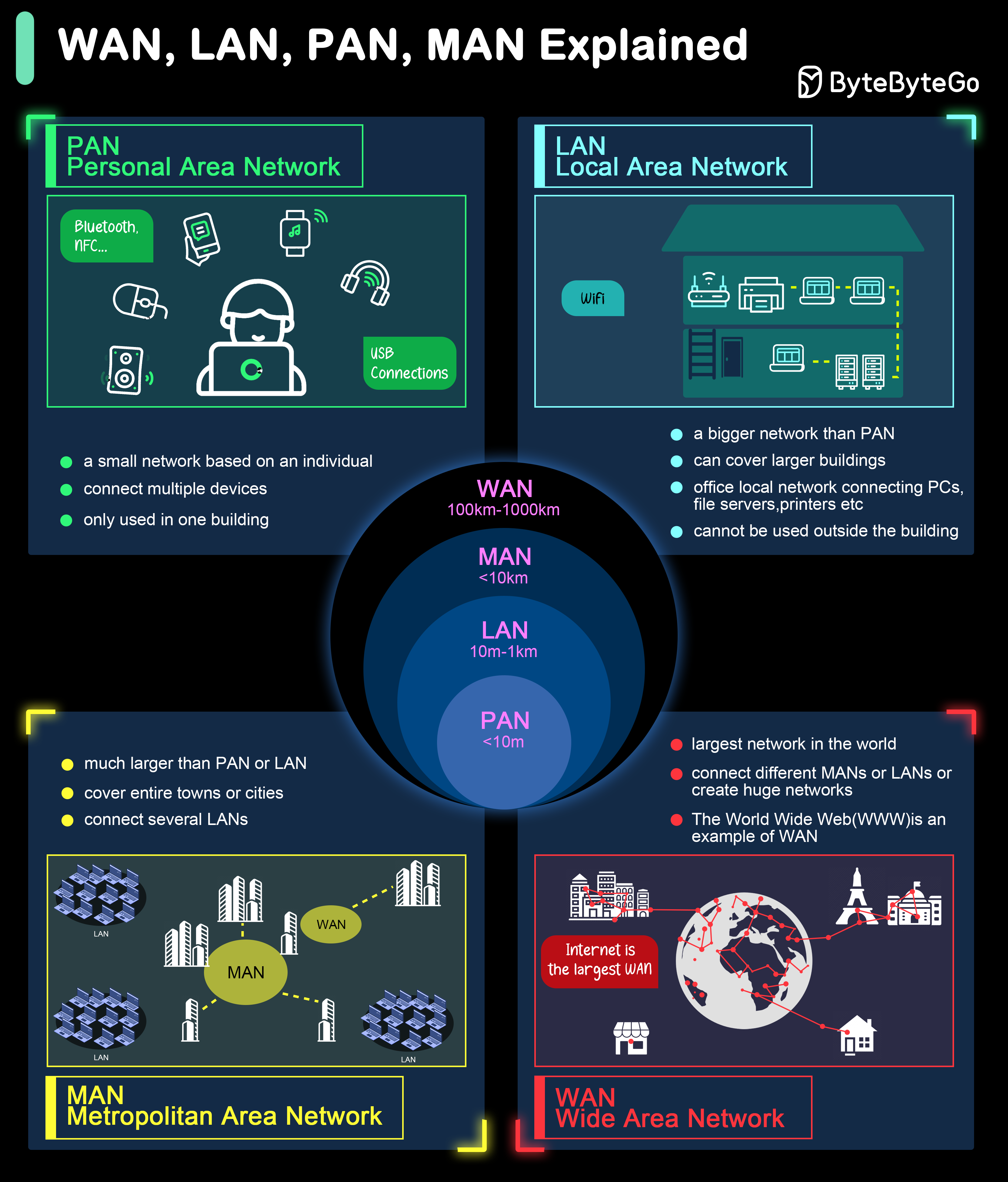
Understanding IP MANs often requires comparison. LANs serve confined spaces with extremely low latency. WANs span continents with higher delay and complexity. IP MANs bridge the gap, optimized for urban scale.
| Feature | LAN | IP MAN | WAN |
|---|---|---|---|
| Geographic scope | Building or campus | City or metro area | Countries or continents |
| Typical speed | 100 Mbps to 10+ Gbps | 100 Mbps to 10 Gbps | 1 Mbps to 1+ Gbps |
| Latency | Very low | Moderate | High |
| Ownership | Single organization | Often shared or ISP-operated | Multiple providers |
This middle position explains why IP MANs are so central to digital cities.
Ownership Models and Reliability
Ownership shapes how IP MANs operate. Some cities build municipal networks, while others rely on private service providers. Shared ownership models allow multiple stakeholders to use common infrastructure.
Reliability tends to be higher than in wide-area networks because metropolitan paths are shorter and more controllable. Ring topologies and local maintenance teams reduce downtime.
A study by the European Telecommunications Network Operators’ Association found that metro networks achieve higher availability than long-haul links, reinforcing their role as dependable urban backbones.
Evolution Toward IP MPLS and WDM
Modern IP MANs continue to evolve. IP MPLS cores integrate traffic engineering and VPN services, while Wavelength Division Multiplexing increases fiber capacity by carrying multiple light channels simultaneously.
These technologies allow operators to scale without adding physical cables. They also support new services such as edge computing, where processing occurs close to users.
As cities adopt autonomous systems and real-time analytics, the demand for low-latency metro networks will only grow.
Challenges and Considerations
Despite their strengths, IP MANs face challenges. Fiber deployment can be disruptive and expensive. Coordinating rights of way in dense cities requires political and logistical effort.
Security threats also evolve. A shared metropolitan network must defend against distributed attacks while protecting sensitive data. Continuous monitoring and updates are essential.
Yet these challenges are manageable. Experience shows that the benefits of robust urban connectivity outweigh the difficulties of building and maintaining it.
The Future of Urban Networking
Looking ahead, I see IP MANs becoming more software-driven. Software-defined networking will allow operators to reconfigure paths and services dynamically. Integration with 5G and future wireless standards will deepen.
Cities that invest thoughtfully in metropolitan networks position themselves for innovation. Those that neglect them risk digital fragmentation.
In many ways, the IP MAN is no longer optional. It is the platform upon which urban digital life depends.
Key Takeaways
- IP MANs connect multiple LANs across cities using Internet Protocol.
- Fiber ring topologies provide resilience and scalability.
- Core routers and IP routing protocols enable multiservice delivery.
- Smart cities and enterprises rely on IP MANs for low-latency connectivity.
- Metropolitan networks bridge the gap between LANs and WANs.
- Investment in IP MANs supports long-term urban innovation.
Conclusion
I often think of IP Metropolitan Area Networks as the quiet agreements cities make with their future. They are rarely visible and seldom celebrated, yet they determine how smoothly information flows between people, institutions, and machines. By linking neighborhoods and organizations through resilient fiber and intelligent routing, IP MANs create the conditions for economic growth, public safety, and digital inclusion.
Their value lies not only in bandwidth but in adaptability. As services evolve from voice to video to data-driven automation, the same metropolitan backbone can support them. This continuity reduces friction and fosters innovation. Cities that recognize this tend to thrive in an increasingly connected world.
In the end, an IP MAN is a promise. It promises that distance within a city will not be a barrier to collaboration, that data can move securely and swiftly, and that the digital heartbeat of urban life will keep time with human needs.
FAQs
What is an IP Metropolitan Area Network?
An IP MAN is a high-speed network that connects multiple local networks across a city using Internet Protocol for routing and data transmission.
How large is a typical IP MAN?
Most IP MANs cover between five and fifty kilometers, enough to span an urban area.
Why do IP MANs use ring topologies?
Ring designs provide redundancy, allowing traffic to reroute automatically if a link fails.
What services run on IP MANs?
They carry broadband internet, voice over IP, video, cloud access, and smart city data.
Who owns IP MAN infrastructure?
Ownership varies, including municipal governments, private ISPs, or shared public private models.
