

I see this incident as less about cheating and more about contradiction. In July 2025, a senior partner at KPMG Australia, a registered company auditor trusted with oversight and judgment, uploaded the firm’s proprietary AI training manual into an external AI chatbot and copied the generated answers verbatim into an internal assessment. One month later, in August, KPMG’s own AI detection systems flagged the submission. By the end of the internal review, the unnamed partner was fined AUD 10,000, roughly seven thousand US dollars, required to retake the exam, and instructed to self report to regulators.
That sequence answers the immediate question most readers ask. Yes, it happened. Yes, it was confirmed. Yes, the penalty was real. But the deeper significance sits elsewhere. This was not a junior employee cutting corners. This was a senior partner, part of the leadership tier now expected to champion AI adoption across professional services.
In the first hundred words, the central tension becomes clear. KPMG has been aggressively integrating AI into audits, consulting, and tax work while tying AI literacy to 2026 performance reviews. At the same time, it is disciplining staff for misusing the same tools. The firm confirmed that since July 2025, twenty eight staff members were caught using AI improperly in internal exams. Only one was fined. That distinction rested entirely on seniority.
This article examines how the incident unfolded, how it was detected, why the identity remains undisclosed, and what it reveals about governance in an era when artificial intelligence is both mandatory skill and ethical minefield.
Read: Google DeepMind Lyria 3 Brings AI Music to Gemini
The Exam That Triggered the Fine



Internal AI training at KPMG Australia was designed as a baseline competency check. The exam covered responsible AI use, data governance, confidentiality, and ethical deployment. It was not optional. For senior staff, completion was tied to professional standing and regulatory obligations.
In July 2025, the unnamed partner submitted responses that appeared unusually polished and closely aligned with training language. According to internal reporting later summarized by Australian media, the partner had uploaded KPMG’s proprietary training manual into an external AI chatbot and pasted the generated answers directly into the test.
This action crossed two internal red lines. First, it involved sharing confidential internal material with an external AI platform. Second, it misrepresented the partner’s own understanding of AI governance. Both violations were explicitly prohibited in KPMG policy documents circulated earlier that year.
What followed was routine rather than dramatic. In August 2025, KPMG’s internal audit systems flagged the submission during standard post assessment checks. Those systems were already upgraded to detect generative AI misuse following earlier integrity reforms. Once flagged, the case moved into a formal review process that included human auditors, technical validation, and leadership oversight.
By September, the outcome was finalized. The partner faced a financial penalty deducted from future earnings, mandatory retraining, and regulatory self reporting.
How KPMG Detected AI Cheating
One of the more ironic aspects of the case is that the cheating was caught by AI. KPMG has invested heavily in proprietary detection systems integrated into its learning platforms. These tools monitor for several indicators rather than relying on text similarity alone.
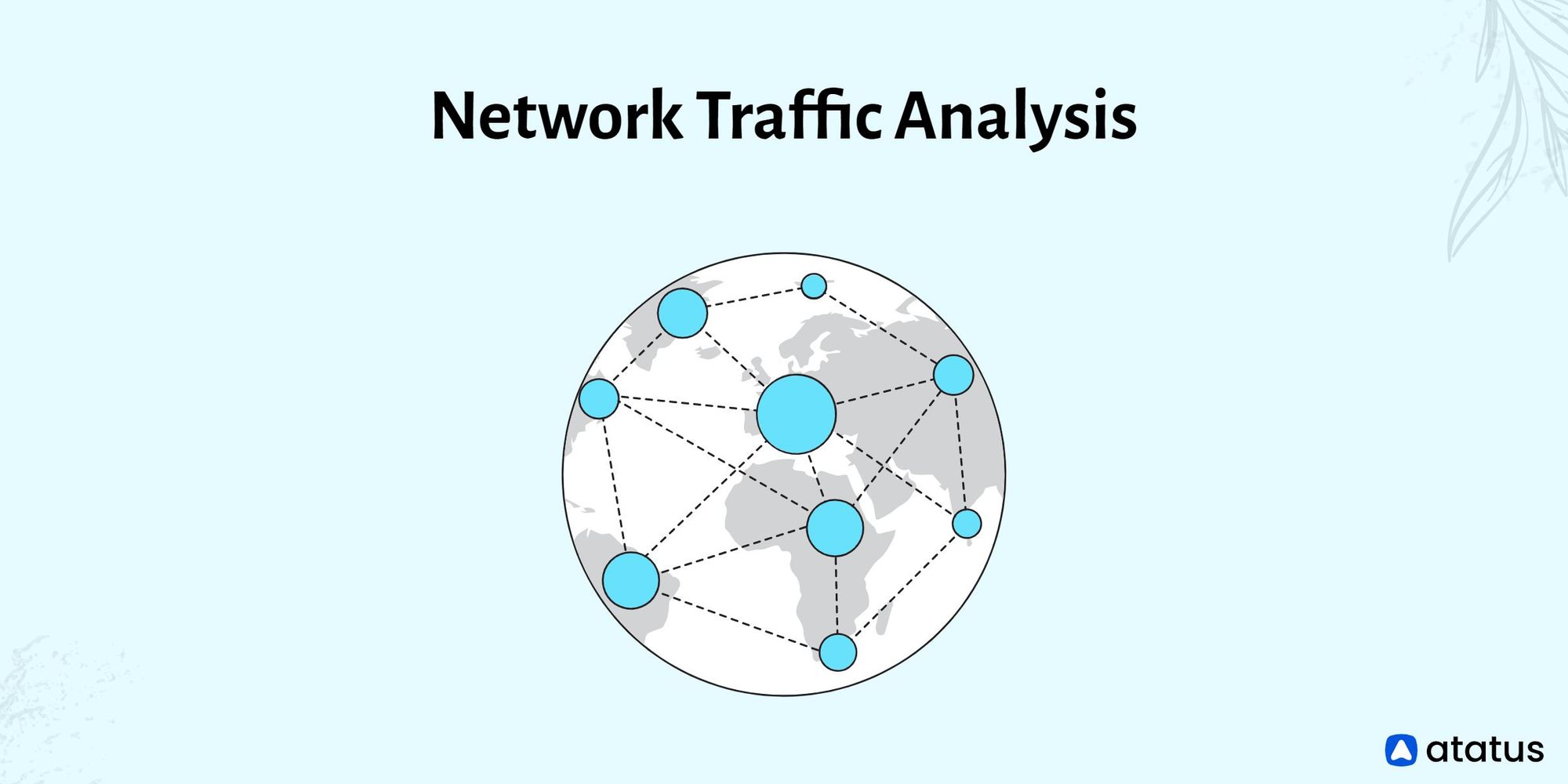
According to firm disclosures summarized in the press, detection signals included verbatim replication of AI generated phrasing, abnormal answer uniformity, and unusual network activity during assessments. Uploading large internal documents to external platforms also triggered alerts tied to data loss prevention systems.
Once flagged, submissions are reviewed manually. This layered approach matters because false positives remain a risk in AI detection. In this case, the combination of signals left little ambiguity.
An internal compliance expert quoted in the Australian press described the process bluntly. “The system did exactly what it was designed to do. The uncomfortable part was who it caught.”
That discomfort reflects a broader truth. Detection tools do not discriminate by rank. Governance failures become more visible when technology removes discretion from enforcement.
The Partner Penalty Versus Everyone Else
| Role Level | Number of Cases | Typical Consequences |
|---|---|---|
| Senior Partner | 1 | AUD 10,000 fine, retake exam, regulator self report |
| Managers and Below | 27 | Warnings, retraining, internal discipline |
| Repeat or Severe Cases | Not disclosed | Potential termination |
This table illustrates why the partner’s case drew attention. Among twenty eight confirmed incidents since July 2025, only one resulted in a financial penalty. The firm justified the disparity on the basis of responsibility and regulatory exposure.
As a registered company auditor, the partner was subject to higher ethical standards and external oversight. Failure to demonstrate personal AI competence carried reputational risk not just for the individual, but for the firm’s audit credibility.
A former Big Four ethics partner, speaking to the Financial Times, framed it this way. “Senior partners are not just employees. They are standard bearers. When they cut corners, it undermines the entire governance narrative.”
Why the Partner Remains Unnamed


Public curiosity often gravitates toward identity. In this case, all major outlets withheld the partner’s name. Reports from the Australian Financial Review, Financial Times, and The Guardian consistently described the individual only as a senior partner and registered company auditor.
The reasons are procedural rather than protective. The matter involved internal discipline combined with self reporting to regulators, including Chartered Accountants Australia and New Zealand. Naming the individual during an ongoing regulatory review could compromise due process.
KPMG itself emphasized that the focus was on systemic learning rather than individual punishment. The firm confirmed the incident in aggregate disclosures, highlighting the total number of cases rather than personal details.
This approach mirrors how professional services firms handled integrity issues following earlier scandals. Transparency about process paired with restraint about individuals has become the default risk management strategy.
The Irony Inside the Firm
The timing of the incident sharpened its impact. In 2025, KPMG was actively promoting AI as a productivity accelerator across audit, tax, and advisory services. Internal communications encouraged experimentation, learning, and rapid upskilling. By 2026, AI proficiency was set to factor into performance evaluations.
Against that backdrop, cheating on an AI training exam reads less like rebellion and more like misalignment. The partner did not reject AI. They relied on it too heavily, in the wrong context, without regard for policy.
Technology ethicist Shannon Vallor has written that “ethical failure in AI rarely comes from malice. It comes from convenience overriding judgment.” That observation resonates here.
The firm now faces the delicate task of promoting AI adoption while reinforcing boundaries. Encouraging staff to use AI daily while forbidding its use in assessments creates gray zones that require clear communication and enforcement.
Regulatory Implications Beyond the Firm


Self reporting obligations extended the incident beyond KPMG’s internal walls. As a registered auditor, the partner was required to notify Australian Securities and Investments Commission and professional bodies. These disclosures trigger independent review, even when penalties are already imposed internally.
Regulators have not announced public enforcement actions related to this case, but the precedent matters. AI misuse in training raises questions about competence, integrity, and audit quality. For regulators still developing AI oversight frameworks, such incidents provide real world test cases.
A governance scholar at the University of Melbourne noted in commentary that “internal AI misconduct can become a proxy for broader questions about professional judgment in automated environments.”
In other words, this was not just about an exam. It was about whether senior professionals understand the tools they are increasingly deploying in regulated contexts.
Detection, Disclosure, and the Post 2021 Shadow
| Year | Governance Trigger | Firm Response |
|---|---|---|
| 2021 | Global audit integrity scandals | Enhanced ethics and monitoring |
| 2023 | Early AI adoption | Initial AI use policies |
| 2025 | AI exam cheating cases | Detection upgrades, disclosures |
| 2026 | AI tied to performance | Stricter enforcement, education |
This timeline shows how the incident fits into a longer reform arc. Post 2021, professional services firms faced intense scrutiny over audit quality and internal controls. AI adoption layered new complexity onto already sensitive governance structures.
KPMG’s decision to disclose AI cheating incidents in annual results reflects that history. Voluntary transparency has become a defensive strategy, signaling control rather than concealment.
Takeaways
- A senior KPMG Australia partner was fined AUD 10,000 for AI misuse in training.
- Detection came from the firm’s own AI monitoring systems.
- Twenty seven other staff faced lighter discipline due to lower seniority.
- The partner remains unnamed due to regulatory self reporting processes.
- The case highlights tension between AI promotion and AI governance.
- Detection technology is reshaping internal accountability.
- Professional judgment remains central despite automation.
Conclusion
I keep returning to the quietness of this story. No court case. No public shaming. No viral scandal. Yet its implications ripple outward. A firm that sells trust disciplined one of its most senior figures for misusing the very technology it champions.
This is what transition periods look like. Rules lag behind tools. Expectations collide with convenience. Institutions learn by stumbling rather than by design.
The KPMG incident does not suggest that AI makes professionals unethical. It suggests that ethical frameworks must evolve as fast as capabilities. Training exams, once a formality, now test something deeper than knowledge. They test judgment under temptation.
As AI becomes embedded in professional identity, the line between assistance and substitution will remain contested. This case offers an early signal of where firms intend to draw it.
FAQs
What happened at KPMG Australia?
A senior partner used an external AI chatbot to generate answers for an internal AI training exam and was fined AUD 10,000.
Was the partner named publicly?
No. All reports withheld the identity due to privacy and ongoing regulatory self reporting.
How was the cheating detected?
KPMG’s proprietary AI detection systems flagged verbatim copying and unusual activity during routine audits.
Did others cheat as well?
Yes. Twenty seven other staff were caught using AI improperly but faced lighter penalties.
Does this affect KPMG’s AI strategy?
The firm has reinforced monitoring and education while continuing to expand AI adoption.
