
I still recall the early 2010s as a restless period for internet calling. Skype had become synonymous with online voice and video, yet many developers believed its dominance could be challenged. That moment produced a wave of experiments promising easier access, fewer downloads, and more open integration. “Skype Vox” is not a single product but a phrase that emerged from that era, loosely linking Skype with two different ideas. One was Vox.io, a browser-based VoIP service that tried to rival Skype without requiring an app. The other was VoxCommando, a voice automation tool that let users control Skype hands-free through spoken commands.
For readers searching today, the intent is largely historical or clarifying. Is Skype Vox still active? Was it an official Skype feature? The answer is no. Vox.io shut down more than a decade ago, and VoxCommando integrations belong to an earlier generation of desktop automation. Yet understanding them reveals something important about how internet communication evolved and why certain ideas failed while others endured.
This article explores Vox.io’s brief rise and fall, its comparison with Skype, and the parallel story of VoxCommando’s voice control experiments. Together, they show how ambition, timing, and infrastructure shape which technologies survive.
Read: Performance Analytics Explained for Modern Work

The Skype Era That Invited Challengers
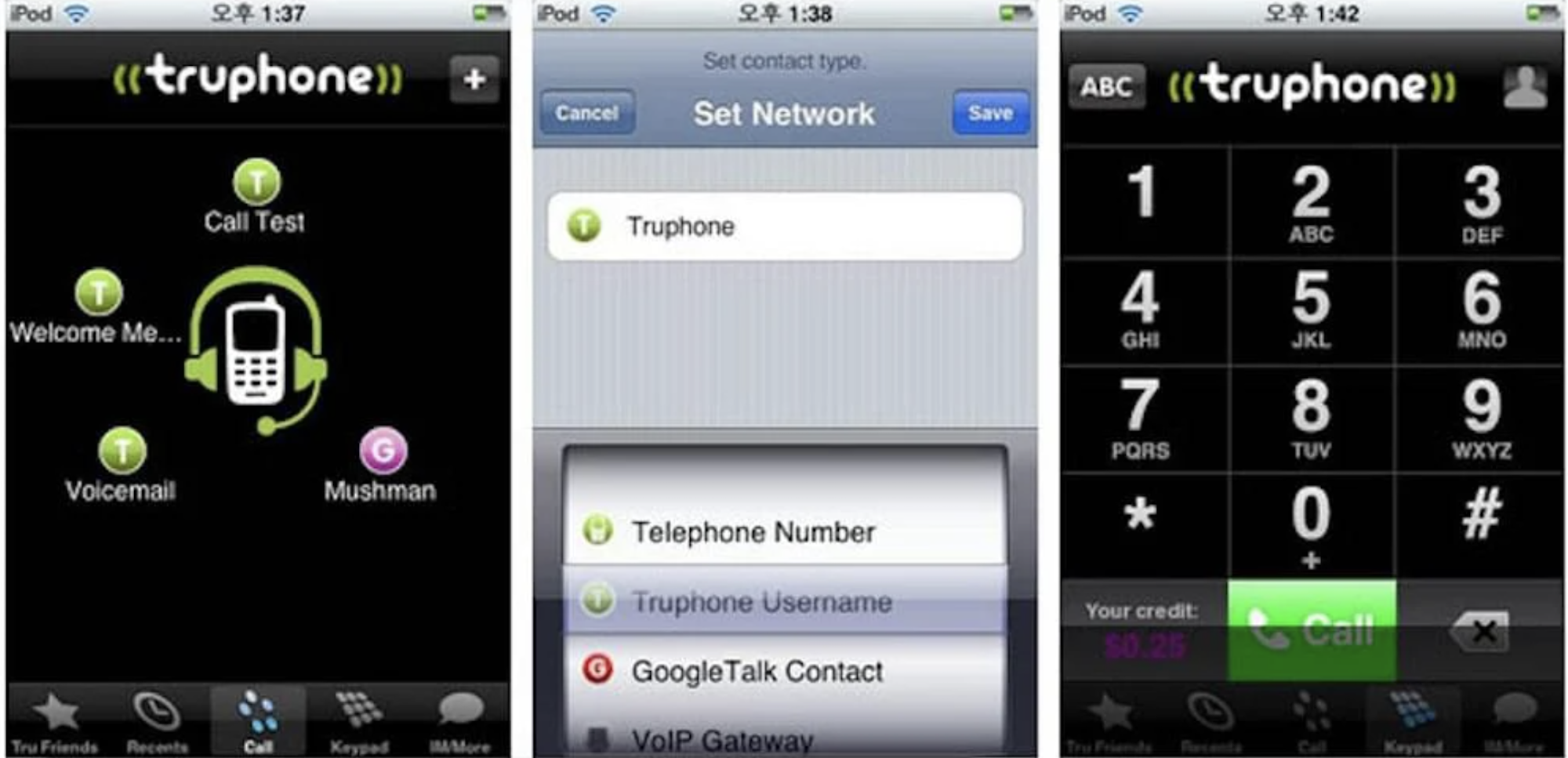
By 2010, Skype had become the default tool for online calls. Its desktop application delivered reliable audio and increasingly strong video quality. Millions relied on it for international calls, remote work, and personal communication. Yet Skype’s strengths also revealed friction. Users had to install software, maintain accounts, and manage updates.
Read: DVI Cable Explained: Types, Limits, and Uses
This friction created space for alternatives. Browser technology was improving, and developers believed voice calling could live entirely on the web. That idea set the stage for Vox.io, which positioned itself not as a Skype clone but as a simpler doorway into VoIP.

Vox.io and the Promise of No Downloads
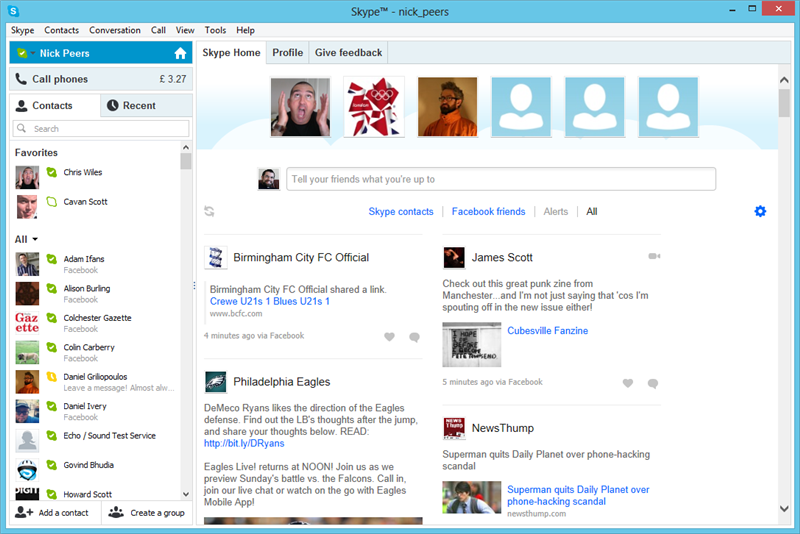
Vox.io launched around 2011 with a bold promise. Users could place calls directly from a browser using unique links like vox.me/username. No software installation. No heavy client. Just click and talk. For its time, this felt radical.
Vox.io allowed free Vox-to-Vox calls, supported calls to mobile phones and landlines, and even offered SMS. It also experimented with embeddable call widgets, letting users place call buttons on websites. The appeal was accessibility. Anyone with a browser could reach you.
Read: BitLocker Recovery Key: How to Find and Restore Access
Yet that simplicity came at a cost. Browser-based calling relied on early web audio technologies that were less stable than Skype’s dedicated client. Call quality fluctuated, and features like group calling or screen sharing were limited.


Feature Comparison With Skype
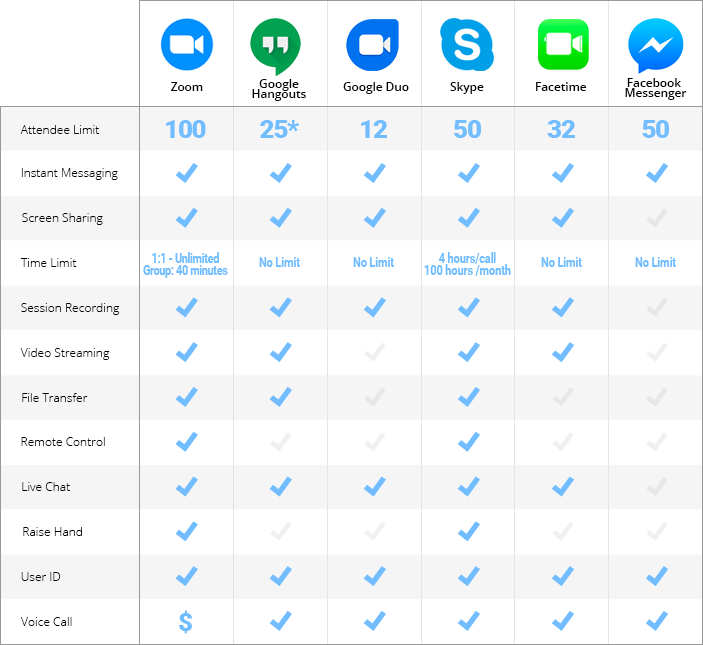
At its peak, Vox.io tried to match Skype’s core offerings. Both platforms offered free peer-to-peer calls and paid international calling. Vox.io even allowed users to display their existing phone numbers, while Skype required credits or subscriptions for outbound PSTN calls.
Still, Skype’s ecosystem was deeper. It offered polished desktop and mobile apps, contact synchronization, group video calls, and screen sharing. Vox.io’s browser-first design struggled to keep pace with these expectations.
Technology journalist Om Malik once noted that web-based VoIP often sacrificed reliability for convenience. Vox.io embodied that trade-off.
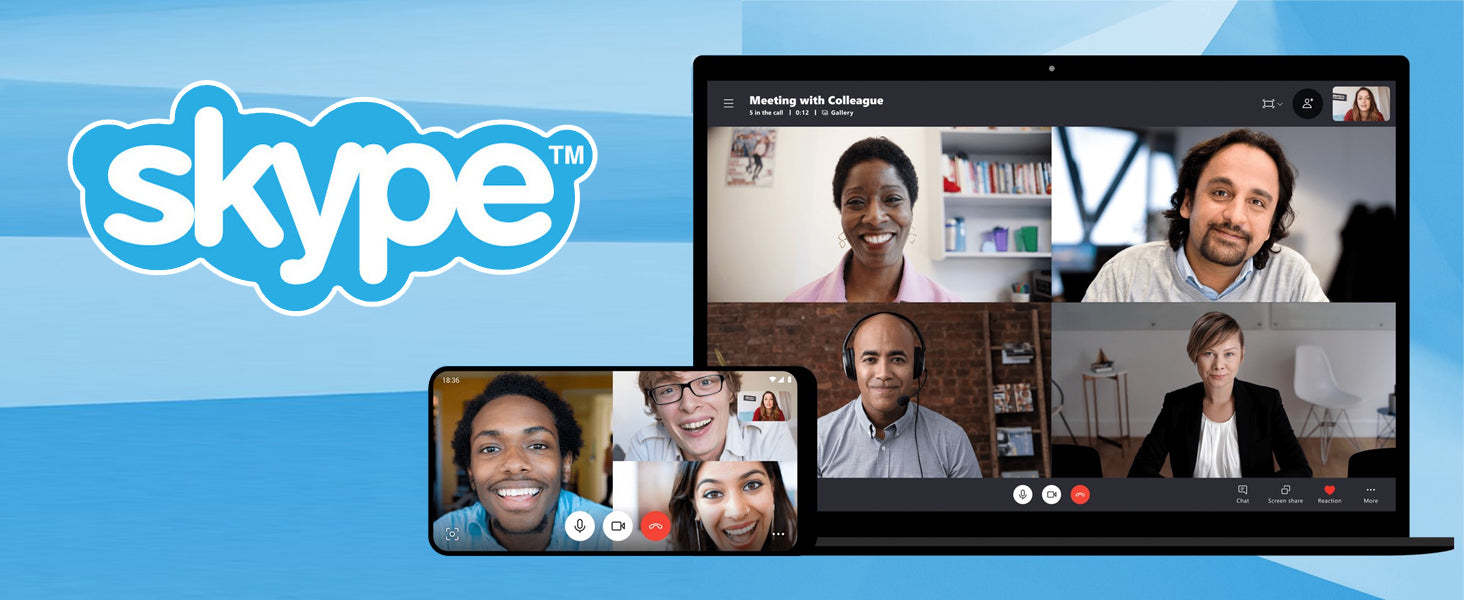

Table: Vox.io vs Skype Around 2011–2012
| Feature | Vox.io | Skype |
|---|---|---|
| Installation | None (browser-based) | Desktop and mobile apps |
| Free Calls | Vox-to-Vox | Skype-to-Skype |
| Video Quality | Basic | Pristine for its era |
| Group Calls | Limited | Widely supported |
| Longevity | Shut down post-2012 | Ongoing |
Pricing and Sustainability Challenges
Vox.io matched Skype on many rates but charged more for certain international destinations. In some cases, calls that cost a few cents per minute on Skype were significantly higher on Vox.io. While still inexpensive by telecom standards, the difference mattered in a competitive market.
Without a massive user base or enterprise adoption, Vox.io struggled to sustain infrastructure costs. Its shutdown came quietly, without major announcements, leaving behind only archived mentions and broken links.
This outcome underscores a recurring lesson in tech. Accessibility alone rarely defeats scale.


VoxCommando and Voice Control of Skype
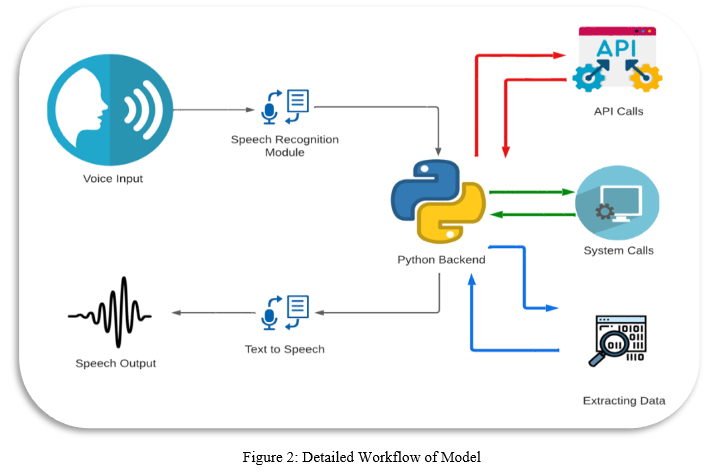
Parallel to Vox.io was another interpretation of “Skype Vox.” VoxCommando was a voice command and automation tool popular among enthusiasts and accessibility users. Around 2013, it offered plugins that allowed users to control Skype with spoken commands.
Users could say phrases to dial contacts, answer calls, or receive spoken alerts. Configuration involved enabling Skype APIs and working with XML payloads. For hands-free environments, it felt futuristic.
Voice interface researcher Clifford Nass once argued that voice control feels natural but demands precision. VoxCommando demonstrated both the promise and fragility of early voice automation.


Why VoxCommando Stayed Niche
Despite its ingenuity, VoxCommando never reached mainstream adoption. Setup complexity, limited natural language processing, and reliance on desktop environments constrained its appeal. As operating systems and apps evolved, maintaining compatibility became harder.
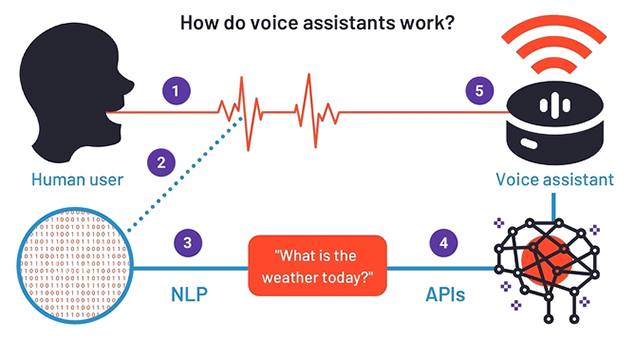
Meanwhile, major platforms began building native voice assistants, rendering third-party solutions less relevant. What VoxCommando pioneered would later be absorbed into broader ecosystems.
The Role of Microsoft and Skype’s Survival
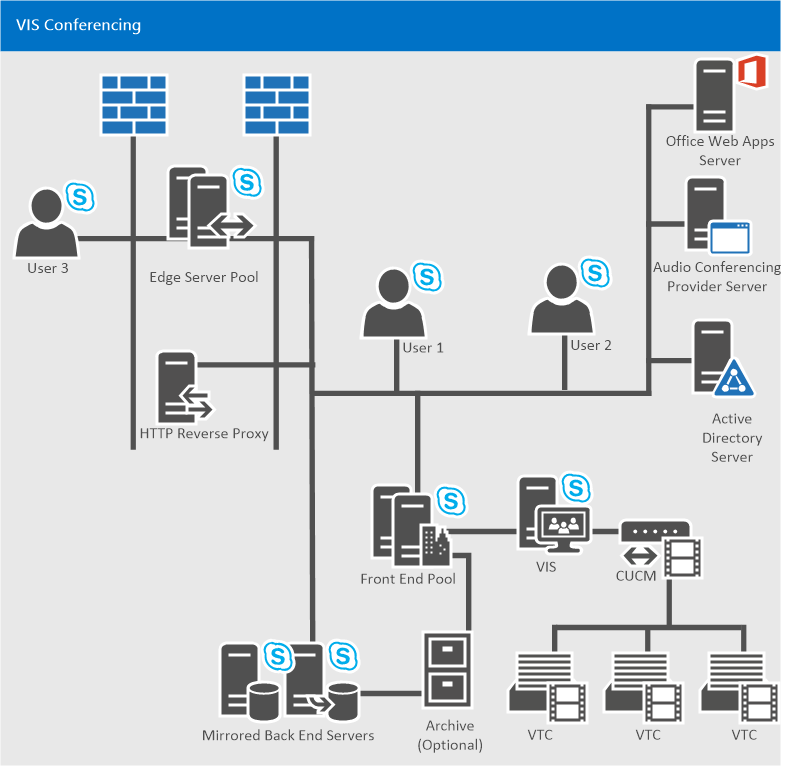
In 2011, Microsoft acquired Skype, integrating it into its broader ecosystem. This move ensured continued investment, infrastructure expansion, and enterprise integration. Skype evolved, while Vox.io vanished.
Microsoft’s backing provided stability. Even as competitors emerged, Skype adapted to cloud services, business collaboration, and cross-platform support.

Lessons From the Vox Era
The Vox story reveals how timing and infrastructure shape outcomes. Vox.io anticipated web-based calling, but the browser ecosystem was not ready. VoxCommando anticipated voice automation, but natural language technology lagged.
Both ideas were ahead of their moment, yet unable to survive long enough to see it arrive.

Takeaways
- “Skype Vox” refers to multiple historical experiments, not an official Skype product.
- Vox.io offered browser-based VoIP but shut down after 2012.
- Skype’s app-based model proved more reliable and scalable.
- VoxCommando enabled early voice control of Skype but remained niche.
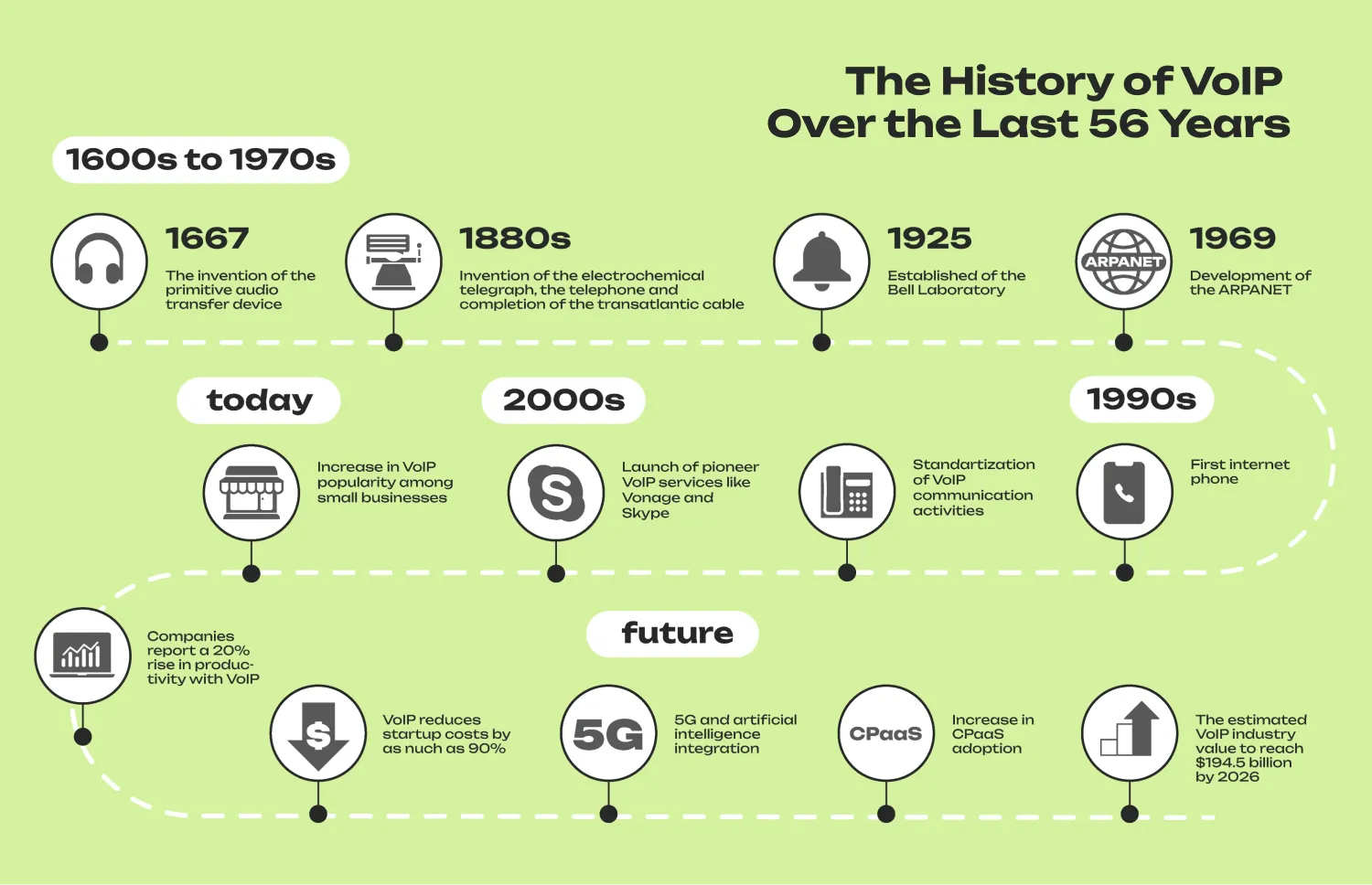
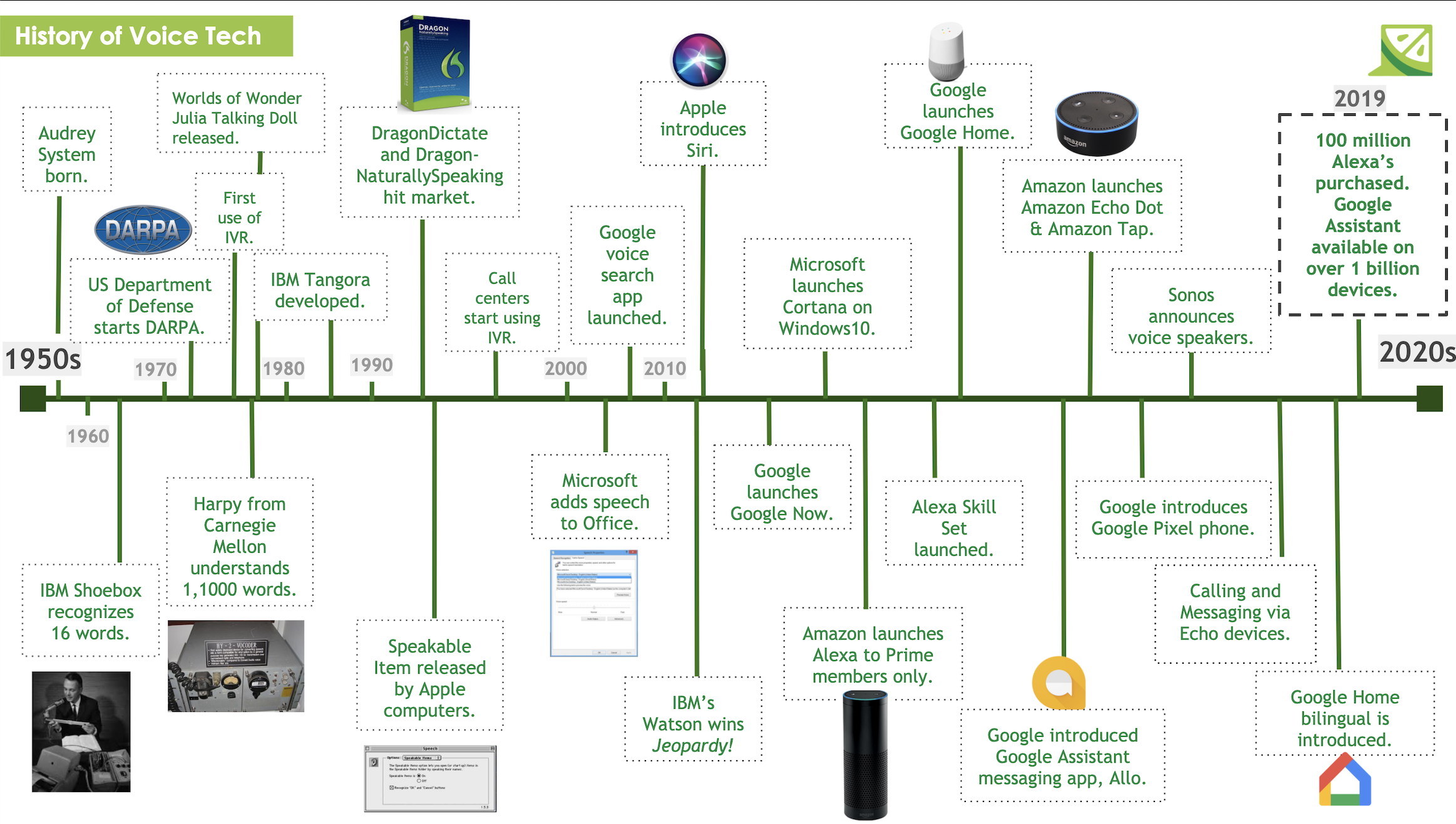
- Modern voice AI now fulfills many of these early ambitions.
- Timing and infrastructure determine survival in communication technology.
Conclusion
I see the story of Skype Vox as a snapshot of ambition colliding with limitation. Vox.io and VoxCommando dared to simplify and humanize communication, stripping away installations or replacing clicks with voice. Yet technology maturity and market scale favored Skype.
Today’s voice assistants, browser-based calling, and AI-driven interfaces echo those early ideas, refined and stabilized. The Vox experiments remind us that innovation is often iterative. Some pioneers fade, but their concepts live on.

FAQs
Is Skype Vox an official Skype feature?
No. It refers informally to Vox.io or VoxCommando integrations.
Is Vox.io still available?
No. Vox.io ceased operations after 2012.
Did Vox.io outperform Skype?
No. It emphasized accessibility but lacked Skype’s reliability and features.
What was VoxCommando used for?
Voice commands and automation, including Skype control.
What replaced these tools today?
Modern voice assistants and integrated VoIP platforms.